
Hey there! I'm a supplier in the green laser illumination business. It's been an exciting journey, but let me tell you, developing this technology ain't a walk in the park. There are a bunch of challenges that we've had to face head - on. In this blog, I'll break down some of the major hurdles we've encountered and how they impact our industry.
Power Efficiency
One of the biggest challenges in green laser illumination technology is power efficiency. Green lasers typically require more power compared to their red or infrared counterparts. This is mainly due to the way they're produced. Most green lasers are created using a process called frequency - doubling. In simple terms, this means taking an infrared laser and converting it into a green laser.
This conversion process is far from perfect. A significant amount of energy is lost as heat during frequency - doubling. And that's a real problem. First off, it means we need to use more powerful power sources to get the desired output from the green laser. That not only drives up the cost of the product but also makes it less sustainable. After all, in the era of green technology, we're supposed to be reducing our energy consumption, not increasing it.
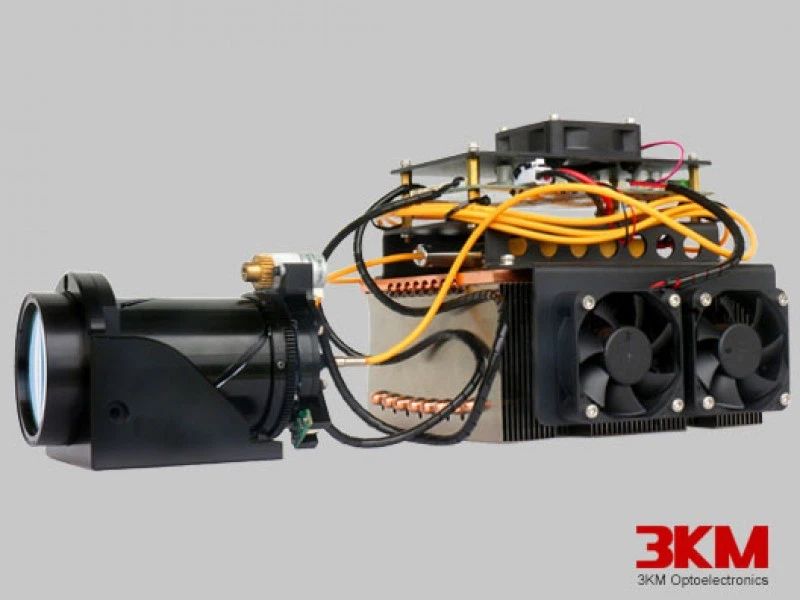
Moreover, the extra heat generated can cause issues with the laser's performance and lifespan. High temperatures can lead to thermal lensing, which distorts the laser beam and reduces its quality. It can also damage the internal components of the laser over time. To combat this, we have to install complex cooling systems, which add to the size, weight, and cost of the green laser illumination devices.
Beam Quality and Stability
Another challenge we deal with is ensuring high - quality and stable laser beams. For many applications, such as the Desert - Spec Solar Laser Beacon System, a well - defined and stable beam is crucial. But achieving this with green lasers is no easy feat.
The frequency - doubling process that's used to create green lasers can introduce fluctuations in the beam's intensity and direction. These fluctuations can be caused by a variety of factors, including temperature changes, mechanical vibrations, and electrical noise. Even small variations in these factors can have a big impact on the beam quality.
In addition, green lasers are more susceptible to beam divergence compared to other types of lasers. Beam divergence refers to the spreading out of the laser beam as it travels through space. A high divergence means that the beam will lose its intensity and focus over a relatively short distance. This can be a major problem for long - range applications, where a concentrated and focused beam is required.
To improve beam quality and stability, we have to use advanced optical components and control systems. These components are designed to correct for beam fluctuations and reduce divergence. However, they're often expensive and require precise alignment and calibration, which adds to the complexity and cost of the manufacturing process.
Cost - Effectiveness
Cost is always a major factor in any technology development, and green laser illumination is no exception. As I mentioned earlier, the power - hungry nature of green lasers and the need for complex cooling and optical systems drive up the cost of production. This makes it difficult to offer competitive prices in the market.
For consumers, the high cost of green laser illumination devices can be a deterrent. They may opt for cheaper alternatives, such as LED lighting, even if the performance of green lasers is superior in some aspects. This is particularly true for consumer - oriented applications, where price sensitivity is high.
To make green laser illumination more cost - effective, we're constantly looking for ways to reduce the cost of production. This includes finding more efficient manufacturing processes, using cheaper materials, and improving the yield of the production process. However, these efforts often require significant investment in research and development, which can be a risky proposition. There's no guarantee that we'll be able to achieve the desired cost savings, and even if we do, it may take a long time to recoup the investment.
Regulatory and Safety Concerns
Green lasers are subject to strict regulations and safety standards. This is because they can pose a significant risk to human eyes and skin, especially at high powers. Exposure to green laser light can cause permanent damage to the retina, leading to vision loss.
Regulatory bodies around the world have set limits on the power output and usage of green lasers. These regulations vary from country to country, which can make it challenging for us to market our products globally. We have to ensure that our products comply with all the relevant regulations in each market we target. This requires extensive testing and certification, which adds to the cost and time to market.
In addition to regulatory compliance, we also have to take safety precautions during the manufacturing, handling, and use of green lasers. We need to provide proper training and safety guidelines to our employees and customers. This includes using appropriate safety goggles, implementing interlock systems to prevent accidental exposure, and providing clear warning labels on the products.
Market Acceptance
Finally, market acceptance is a challenge that we face in the green laser illumination industry. Despite the many advantages of green lasers, such as their high visibility and long - range capabilities, the market is still relatively small compared to other lighting technologies.
Many consumers and businesses are simply not aware of the benefits of green laser illumination. They may have misconceptions about the technology, such as thinking that it's too dangerous or too expensive. This lack of awareness and understanding can make it difficult for us to promote our products and expand the market.
To increase market acceptance, we need to invest in marketing and education. We have to showcase the unique features and advantages of green laser illumination through demonstrations, case studies, and customer testimonials. We also need to address the concerns and misconceptions that consumers may have about the technology. By doing so, we can help to create a larger market for green laser illumination products.
Overcoming the Challenges
Despite these challenges, we're not giving up. We believe in the potential of green laser illumination technology, and we're constantly working on solutions to overcome these hurdles.
For power efficiency, we're researching new materials and processes that can reduce the energy consumption of green lasers. For example, some researchers are exploring the use of direct - emitting green laser diodes, which could eliminate the need for frequency - doubling and significantly improve power efficiency.
In terms of beam quality and stability, we're developing advanced control algorithms and feedback systems that can automatically adjust the laser parameters to compensate for fluctuations. These systems can improve the performance of the laser without the need for expensive and complex optical components.
To make green laser illumination more cost - effective, we're partnering with suppliers to negotiate better prices for raw materials and components. We're also streamlining our manufacturing processes to reduce waste and improve efficiency.
Regarding regulatory and safety concerns, we're working closely with regulatory bodies to stay updated on the latest standards and requirements. We're also investing in safety research and development to ensure that our products are as safe as possible.
For market acceptance, we're launching marketing campaigns to educate consumers and businesses about the benefits of green laser illumination. We're also collaborating with industry partners to develop new applications and use cases for green lasers, such as the All - Weather Green Laser Bird Repellent, which can help to expand the market.
Conclusion
Developing green laser illumination technology is a challenging but rewarding endeavor. The challenges we face in power efficiency, beam quality, cost - effectiveness, regulatory compliance, and market acceptance are significant, but we're confident that we can overcome them.
As a supplier, we're committed to pushing the boundaries of this technology and bringing high - quality, cost - effective, and safe green laser illumination products to the market. If you're interested in learning more about our green laser illumination solutions or have a specific application in mind, we'd love to hear from you. Whether you're a business looking for a reliable lighting solution or a consumer interested in the latest technology, we can work together to find the right product for your needs. So, don't hesitate to reach out and start a conversation about how green laser illumination can benefit you.

References
- Laser Physics and Technology by William T. Silfvast
- Handbook of Laser Technology and Applications edited by Christopher J. Chinn and David R. Hall