
As a supplier of laser bird repellents, I often get asked whether the effectiveness of these devices depends on the bird species. It's a valid question, and one that I'm happy to dive into. In this blog, we'll explore the relationship between laser bird repellents and different bird species, and how you can make the most of these innovative solutions.
How Laser Bird Repellents Work
Before we get into the specifics of different bird species, let's quickly go over how laser bird repellents work. These devices emit a concentrated beam of light, typically green, that mimics the movement of a predator. Birds perceive the laser as a threat and are scared away from the area. It's a humane and effective way to deter birds without causing them any harm.
Factors Affecting Laser Bird Repellent Effectiveness
The effectiveness of a laser bird repellent can be influenced by several factors, and bird species is one of them. Different birds have different visual capabilities, behaviors, and flight patterns, which can all impact how they respond to the laser.
Visual Capabilities
Birds have a much better visual system than humans. They can see a wider range of colors, including ultraviolet light, and have a higher visual acuity. Some bird species are more sensitive to light than others, which means they're more likely to be affected by the laser.
For example, pigeons have excellent color vision and are very sensitive to bright lights. They're easily spooked by the laser beam and will quickly fly away from the area. On the other hand, some waterfowl species, like ducks and geese, have a more limited color vision and may not be as easily deterred by the laser.
Behaviors and Flight Patterns
Bird behavior and flight patterns also play a role in the effectiveness of laser bird repellents. Some birds are more skittish and easily frightened, while others are more bold and persistent.
For instance, seagulls are known for their bold and opportunistic behavior. They're often found in urban areas and are used to human presence. These birds may be more resistant to the laser and may require a more intense or persistent laser beam to be deterred.
In contrast, songbirds are generally more timid and easily scared. They're more likely to be deterred by the laser and will avoid the area altogether.
Habitat and Environment
The habitat and environment where the laser bird repellent is used can also affect its effectiveness. Birds are adapted to different environments, and their behavior can vary depending on the location.
For example, birds in open fields or large areas may be more likely to be affected by the laser, as they have more space to fly away. In contrast, birds in dense vegetation or enclosed spaces may be less likely to be deterred by the laser, as they have more places to hide.
Specific Bird Species and Laser Repellent Effectiveness
Let's take a closer look at some common bird species and how they respond to laser bird repellents.
Pigeons
Pigeons are one of the most common bird pests in urban areas. They're known for their ability to roost on buildings, bridges, and other structures, and can cause significant damage to property. Fortunately, pigeons are very sensitive to the laser beam and are easily deterred by it. Our All-Weather Green Laser Bird Repellent is a great option for keeping pigeons away from your property. It's designed to work in all weather conditions and can cover a large area.
Seagulls
Seagulls are another common bird pest, especially in coastal areas. They're attracted to food sources and can be very aggressive. As mentioned earlier, seagulls are more bold and persistent than some other bird species, so they may require a more intense laser beam to be deterred. Our Desert-Spec Solar Laser Beacon System is a powerful option for keeping seagulls away. It uses solar power to operate and can cover a large area.
Sparrows
Sparrows are small, social birds that are often found in urban and suburban areas. They're known for their ability to build nests in small spaces, such as eaves and vents. Sparrows are easily scared by the laser beam and will avoid the area where it's being used.
Geese
Geese are large waterfowl that can cause problems in parks, golf courses, and other open areas. They're known for their aggressive behavior and can be difficult to deter. However, the laser can still be effective in keeping geese away, especially if it's used in combination with other deterrents, such as noise makers or visual scare devices.
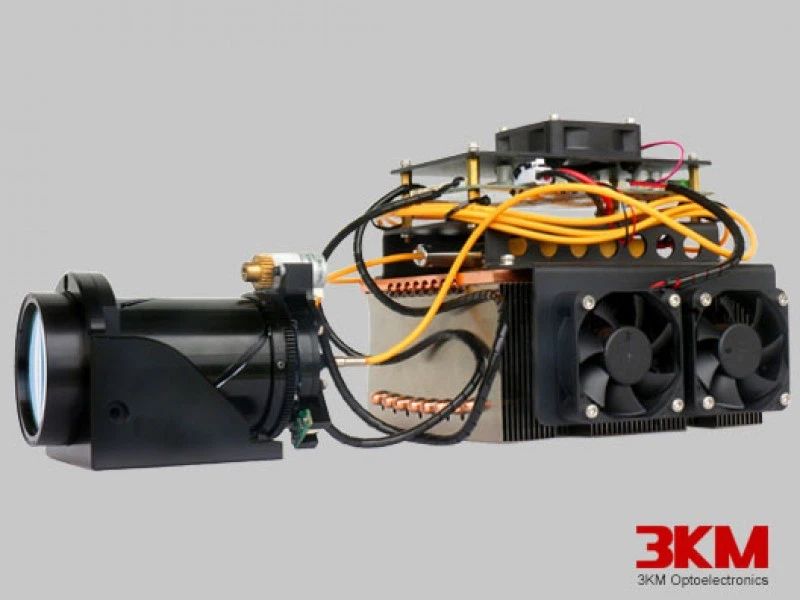

Maximizing the Effectiveness of Laser Bird Repellents
To get the most out of your laser bird repellent, there are a few things you can do:
- Choose the right device: Make sure you choose a laser bird repellent that's appropriate for the bird species you're trying to deter and the area you're trying to protect. Consider factors such as the range, intensity, and coverage area of the device.
- Position the device correctly: Place the laser bird repellent in a location where it can cover the area you want to protect. Make sure it's positioned at the right height and angle to ensure maximum effectiveness.
- Use the device consistently: To keep birds away, you need to use the laser bird repellent consistently. Set it to operate at the times when the birds are most active, such as dawn and dusk.
- Combine with other deterrents: For best results, consider using the laser bird repellent in combination with other deterrents, such as noise makers, visual scare devices, or netting.
Conclusion
So, does the effectiveness of a laser bird repellent depend on the bird species? The answer is yes. Different bird species have different visual capabilities, behaviors, and flight patterns, which can all impact how they respond to the laser. However, with the right device and proper use, laser bird repellents can be an effective way to deter a wide range of bird species.
If you're dealing with a bird problem and want to learn more about our laser bird repellents, don't hesitate to reach out. We're here to help you find the best solution for your needs. Contact us today to start the procurement and negotiation process, and let's work together to keep your property bird-free.
References
- "Avian Vision." Cornell Lab of Ornithology.
- "Bird Behavior and Ecology." National Audubon Society.
- "Laser Bird Repellents: How They Work and Their Effectiveness." Journal of Pest Management.