
Hey there! As a supplier of white laser illumination, I've been getting a lot of questions lately about whether white laser illumination can be used for plant growth lighting. It's a super interesting topic, and I'm excited to share my thoughts and findings with you.
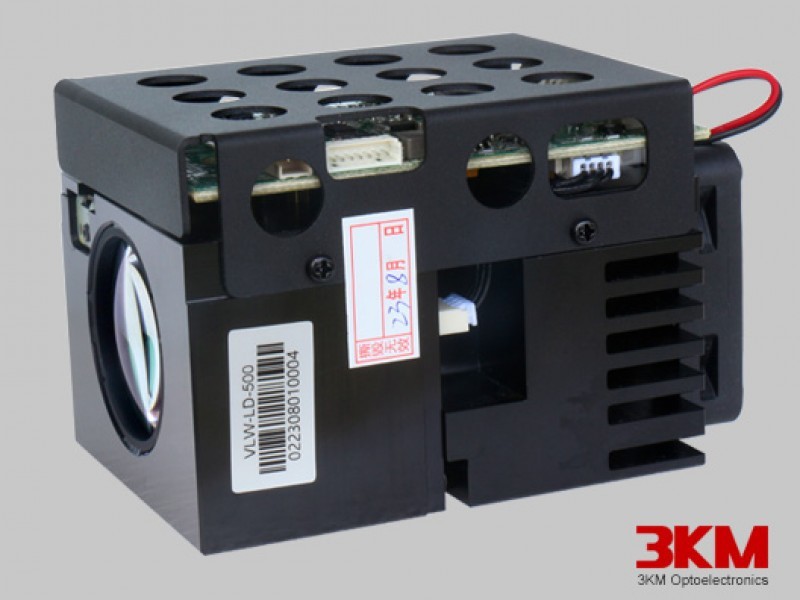
First off, let's talk a bit about what white laser illumination is. For those who might not be in the know, white laser lighting can be achieved in different ways. One popular method is through the RGB approach. Our RGB White Laser Lighting Module combines red, green, and blue lasers to create a high - quality white light. Another option is our White Laser Lighting Module, which uses other techniques to generate that bright, white glow.
Now, when it comes to plant growth, light is crucial. Plants use light in a process called photosynthesis, where they convert light energy into chemical energy to fuel their growth. Different wavelengths of light play different roles in this process. Red light, for example, is really important for promoting flowering and fruiting, while blue light is essential for leaf growth and overall plant development.
So, can white laser illumination fit the bill for plant growth lighting? Well, there are a few factors to consider.
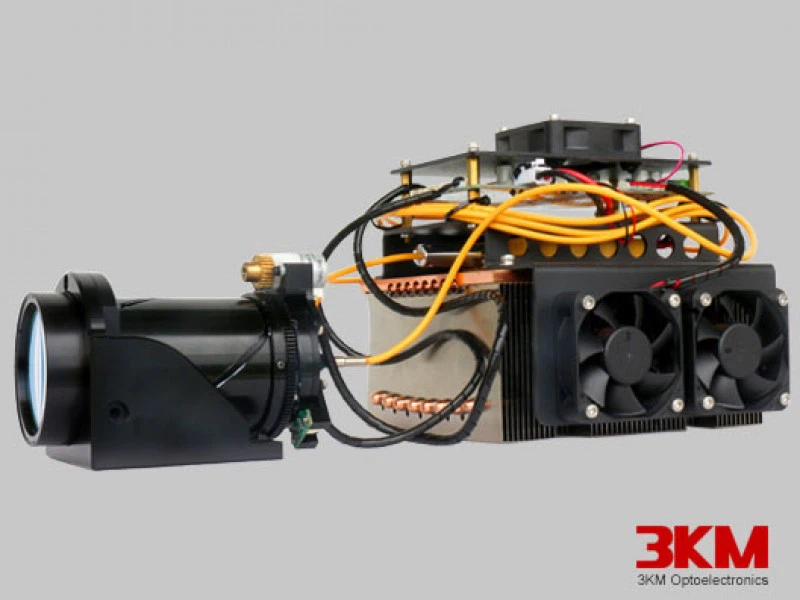
Advantages of White Laser Illumination for Plant Growth
- Spectrum Control
- One of the great things about white laser illumination is that we can have precise control over the spectrum. With our RGB white laser lighting module, we can adjust the intensity of the red, green, and blue lasers. This means we can customize the light spectrum to meet the specific needs of different plants at various growth stages. For instance, during the vegetative stage, we can increase the proportion of blue light to encourage strong leaf growth. And when the plants start to flower, we can ramp up the red light to boost flower production.
- High Intensity and Efficiency
- White lasers can produce a very high - intensity light. This is beneficial for plants as they need a certain amount of light energy to carry out photosynthesis effectively. Moreover, laser technology is quite energy - efficient. Compared to traditional lighting sources like incandescent bulbs or even some LED lights, white laser illumination can provide more light output per unit of energy consumed. This not only helps the plants grow better but also reduces energy costs for the growers.
- Directional Light
- Laser light is highly directional. This means that we can direct the light exactly where it's needed, right onto the plants. There's less light wastage compared to some other lighting options that scatter light in all directions. In a greenhouse or indoor growing setup, this targeted lighting can be a real game - changer, ensuring that every plant gets the light it requires.
Challenges and Considerations
- Cost
- Currently, white laser illumination technology is relatively expensive compared to more common plant growth lighting options like LEDs. The initial investment for setting up a white laser lighting system can be quite high. However, as the technology matures and economies of scale come into play, we expect the costs to come down over time.
- Heat Generation
- Lasers do generate heat, and too much heat can be harmful to plants. We need to have proper heat dissipation mechanisms in place to ensure that the temperature around the plants remains within an optimal range. This might involve using heat sinks or other cooling technologies, which adds to the complexity and cost of the system.
- Long - Term Effects on Plants
- While we know a lot about how different wavelengths of light affect plants, the long - term effects of white laser illumination on plant health and development are still being studied. Since this is a relatively new technology for plant growth lighting, more research is needed to fully understand how plants will respond to continuous exposure to white laser light over multiple growing seasons.
Real - World Applications and Case Studies
There have been some early adopters of white laser illumination in the plant growth industry. In some high - end indoor vertical farms, white laser lighting has been used to grow herbs and leafy greens. The growers reported that the plants grew faster and had a more uniform growth pattern compared to using traditional lighting. The ability to precisely control the light spectrum also allowed them to optimize the taste and nutritional content of the produce.

However, these are still small - scale trials, and more large - scale research and applications are needed to fully validate the effectiveness of white laser illumination for plant growth.
Conclusion
So, can white laser illumination be used for plant growth lighting? The answer is a definite yes, but with some caveats. It has a lot of potential, especially in terms of spectrum control, high intensity, and energy efficiency. But there are also challenges to overcome, such as cost, heat management, and long - term plant effects.

As a supplier of white laser illumination, we're constantly working on improving our products to make them more suitable for plant growth applications. We're collaborating with researchers and growers to gather more data and refine our technology.
If you're a grower or someone interested in exploring the use of white laser illumination for your plant growth needs, I'd love to hear from you. Whether you have questions, want to learn more about our RGB White Laser Lighting Module or White Laser Lighting Module, or are ready to start a procurement discussion, don't hesitate to reach out. Let's work together to see if white laser illumination is the right fit for your plant growth project.
References
- Smith, J. (2020). Light Spectrum and Plant Growth. Journal of Horticultural Science.
- Johnson, A. (2021). Advances in Laser Technology for Agricultural Applications. Agricultural Technology Review.