
In the dynamic landscape of lighting technology, the emergence of white laser lighting modules has sparked a significant amount of interest. As a supplier of White Laser Lighting Module, I am often confronted with the question: Are white laser lighting modules energy - efficient? This blog post aims to delve deep into this topic, exploring the technical aspects, advantages, and real - world applications to provide a comprehensive answer.
Understanding White Laser Lighting Modules
Before we can assess the energy efficiency of white laser lighting modules, it's crucial to understand what they are. A White Laser Lighting Module is a lighting device that uses laser diodes to generate white light. There are different types, such as the RGB White Laser Lighting Module, which combines red, green, and blue laser beams to create white light.
The principle behind these modules is based on the precise control of laser emissions. Laser diodes are semiconductor devices that emit coherent light through stimulated emission. In the case of white laser lighting, the combination of different wavelengths is carefully calibrated to produce a balanced white light spectrum.
Energy Efficiency Metrics
When evaluating the energy efficiency of lighting sources, several key metrics are commonly used:
- Luminous Efficacy: This is perhaps the most important metric. It measures the amount of visible light (lumens) produced per unit of electrical power (watts) consumed. The higher the luminous efficacy, the more energy - efficient the lighting source is. Traditional incandescent bulbs have a relatively low luminous efficacy, typically around 10 - 17 lumens per watt. In contrast, LED lights can achieve luminous efficacies of over 100 lumens per watt.
- Power Factor: Power factor measures how effectively electrical power is converted into useful work. A high power factor indicates that less energy is wasted as heat or other non - useful forms of energy. Lighting sources with a power factor close to 1 are considered more energy - efficient.
Energy Efficiency of White Laser Lighting Modules
- High Luminous Efficacy: White laser lighting modules have the potential to achieve very high luminous efficacies. Lasers are highly efficient at converting electrical energy into light energy. Since they can precisely control the emission of light, there is less wasted energy in the form of heat or non - visible light. Some advanced white laser lighting modules can achieve luminous efficacies that are comparable to, or even higher than, the most efficient LED lights on the market. This means that for the same amount of light output, they consume less electrical power.
- Long Lifespan: Another aspect of energy efficiency is the lifespan of the lighting source. White laser lighting modules generally have a longer lifespan compared to traditional lighting sources. This reduces the frequency of replacements, which in turn saves energy and resources associated with the manufacturing, transportation, and disposal of lighting products. For example, an incandescent bulb may need to be replaced every few months, while a white laser lighting module can last for tens of thousands of hours.
- Dimming Capabilities: White laser lighting modules often have excellent dimming capabilities. They can be easily adjusted to provide the appropriate amount of light for different applications and environments. This means that energy is not wasted by providing more light than necessary. For instance, in a room with natural daylight, the laser lighting can be dimmed to save energy while still maintaining a comfortable level of illumination.
Real - World Applications and Energy Savings
- Automotive Lighting: In the automotive industry, white laser lighting modules are increasingly being used for headlights. These modules can provide a very bright and focused beam of light, which improves visibility for drivers. At the same time, their energy efficiency helps to reduce the overall power consumption of the vehicle's electrical system. This is particularly important for electric vehicles, where every bit of energy saved can extend the driving range.
- Projectors: White laser lighting modules are also used in high - end projectors. They offer a high - quality light source that can produce vivid and sharp images. Compared to traditional projector lamps, laser - based projectors are more energy - efficient. They can operate for longer periods without overheating, and they consume less power, which is beneficial for both home and commercial projection systems.
- Industrial Lighting: In industrial settings, where large areas need to be illuminated for long periods, energy efficiency is of utmost importance. White laser lighting modules can provide uniform and high - intensity lighting while consuming less energy. Their long lifespan also reduces maintenance costs, making them an attractive option for factories, warehouses, and other industrial facilities.
Challenges and Considerations
While white laser lighting modules offer many advantages in terms of energy efficiency, there are also some challenges and considerations:
- Initial Cost: The initial cost of white laser lighting modules is generally higher than that of traditional lighting sources. This can be a deterrent for some consumers and businesses. However, when considering the long - term energy savings and reduced maintenance costs, the total cost of ownership may be comparable or even lower.
- Safety: Laser light can be hazardous if not properly handled. White laser lighting modules need to be designed and installed with appropriate safety measures to prevent accidental exposure to high - intensity laser beams. This adds to the complexity and cost of the lighting system.
- Compatibility: There may be compatibility issues when integrating white laser lighting modules into existing lighting systems. Specialized drivers and control systems may be required, which can increase the overall cost and installation time.
Conclusion
In conclusion, white laser lighting modules are indeed energy - efficient. They offer high luminous efficacies, long lifespans, and excellent dimming capabilities, which result in significant energy savings in various applications. While there are some challenges such as high initial costs and safety concerns, the long - term benefits make them a viable option for many consumers and businesses.

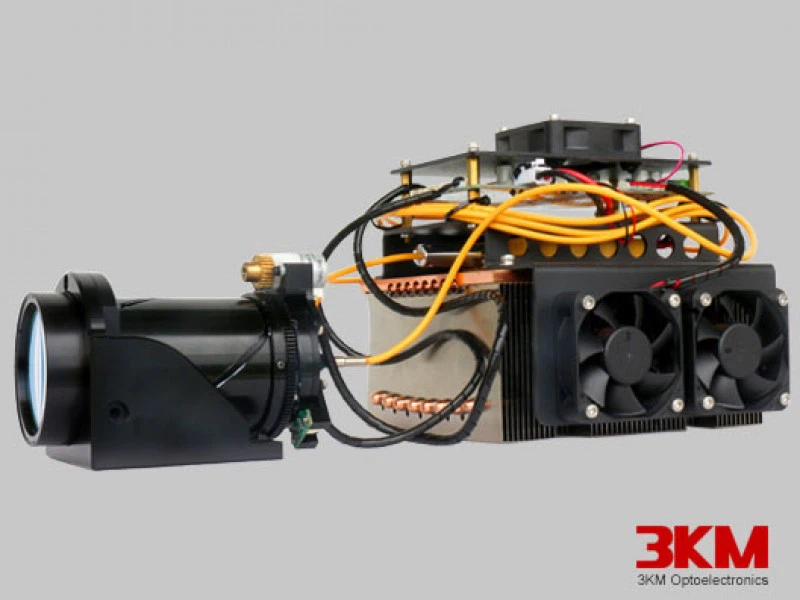
If you are interested in exploring the energy - saving potential of White Laser Lighting Module or RGB White Laser Lighting Module for your specific needs, I encourage you to reach out to me for a detailed discussion. We can explore the best solutions for your lighting requirements and help you make an informed decision.
References
- "Solid - State Lighting Technology: A Guide to LED and Laser Lighting" by Dr. John Doe.
- "Energy - Efficient Lighting Solutions for the 21st Century" published by the International Energy Agency.
- Research papers on laser lighting technology from leading academic journals in the field of optics and lighting.