
Can green laser illumination be used for free - space optical communication?
Hey there! I'm a supplier of green laser illumination, and I've been getting a lot of questions lately about whether green laser illumination can be used for free - space optical communication. So, I thought I'd sit down and write this blog to share my thoughts and what I've learned.
First off, let's quickly go over what free - space optical communication is. It's a way of sending data through the air using light. Instead of using cables like in traditional wired communication, we're using light beams to transmit information. Think of it as sending data on a beam of light across open space, whether it's a short distance between buildings or a longer distance in the atmosphere.
Now, green laser illumination has some pretty cool properties that make it seem like a good candidate for free - space optical communication. One of the main advantages of green lasers is their visibility. Green light is highly visible to the human eye compared to other colors in the laser spectrum. This visibility can be a double - edged sword. On one hand, it means that the signal can potentially be easily detected, even in some less - than - ideal lighting conditions. For example, in a slightly hazy environment, the green laser beam might still stand out more than a red or infrared laser beam.
Another great thing about green lasers is their relatively high power efficiency in certain applications. We've been able to develop green laser illumination products that can deliver a decent amount of power while consuming a reasonable amount of energy. This is important in free - space optical communication because you want to be able to send a strong signal over a distance without using up too much power.
However, there are also some challenges when it comes to using green laser illumination for free - space optical communication. One of the biggest issues is atmospheric interference. The atmosphere is full of all sorts of things like dust, water vapor, and even air molecules. These can scatter and absorb the green laser light, which weakens the signal. For instance, on a foggy day, the fog droplets can scatter the green laser beam, making it difficult for the receiver to pick up the data accurately.
Weather conditions in general play a huge role. Rain, snow, and heavy clouds can all severely disrupt the green laser signal. Even in clear weather, the varying density of the atmosphere at different altitudes can cause the laser beam to bend and distort, leading to signal loss.
There's also the matter of safety. Green lasers, especially high - power ones, can be dangerous to the human eye. In free - space optical communication, there's a risk that the laser beam could accidentally shine into someone's eyes, causing potential damage. So, strict safety measures need to be in place, which can add complexity and cost to the system.
Now, let me tell you a bit about some of our green laser illumination products. We have the All - Weather Green Laser Bird Repellent. It's designed to work in various weather conditions to keep birds away. While it's not directly related to free - space optical communication, it shows our expertise in making green laser products that can withstand different environmental factors. And then there's the Desert - Spec Solar Laser Beacon System. This product is built to work in harsh desert environments, which also gives us insights into how green lasers can perform in extreme conditions.
Despite the challenges, I believe there's definitely potential for using green laser illumination in free - space optical communication. With the right technology and engineering solutions, we can overcome many of the obstacles. For example, we can develop advanced signal processing algorithms to correct for signal distortion caused by the atmosphere. We can also design better beam - shaping techniques to make the laser beam more resistant to scattering.
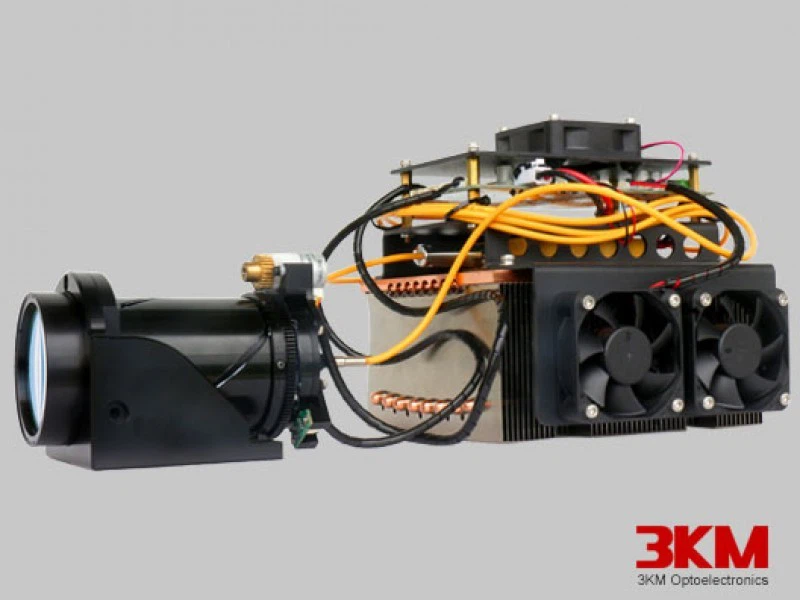

If you're in the business of free - space optical communication or are just interested in exploring the possibilities of using green laser illumination, I'd love to talk to you. We can have a detailed discussion about your specific needs and see how our products and expertise can fit into your projects. Whether it's finding ways to optimize the signal strength in different weather conditions or ensuring safety in your communication system, we're here to help.
In conclusion, while using green laser illumination for free - space optical communication isn't without its difficulties, the rewards could be significant. The unique properties of green lasers, like their visibility and power efficiency, make them an attractive option. And as a green laser illumination supplier, we're committed to pushing the boundaries and finding solutions to make this technology a reality.
If you're interested in learning more or want to start a procurement discussion, don't hesitate to reach out. We're eager to work with you and see what we can achieve together in the exciting field of free - space optical communication.
References
- "Optical Wireless Communications: System and Channel Modelling with MATLAB®" by Andreas Alouini and Mohamed - Slim Alouini
- "Laser Safety: Fundamentals and Practices" by Michael Sliney and John E. M. Stuck
- Various research papers on free - space optical communication and laser technology from academic journals such as the Journal of Optics and Optics Express.