
In the realm of stage lighting, innovation is the key to creating captivating visual experiences. As a supplier of White Laser Lighting Modules, I am often asked whether these cutting - edge lighting solutions can be effectively used in stage lighting. In this blog, I will explore the feasibility, advantages, and potential challenges of using white laser lighting modules in stage lighting.
The Science Behind White Laser Lighting Modules
Before delving into their application in stage lighting, it's essential to understand what white laser lighting modules are. A white laser lighting module typically generates white light through a combination of different colored lasers or by using a single - source laser with a phosphor - conversion technique.
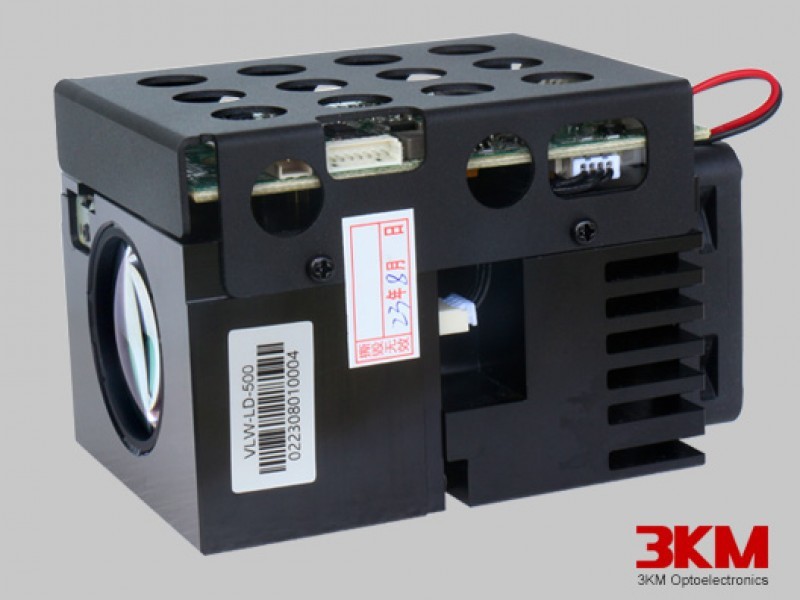
The RGB White Laser Lighting Module is a popular type that combines red, green, and blue lasers. By precisely controlling the intensity of each color, it can produce a wide range of white light with different color temperatures and high color rendering index (CRI). Another type, the White Laser Lighting Module, may use a blue laser and a phosphor to convert part of the blue light into other wavelengths, resulting in white light.
Advantages of White Laser Lighting Modules in Stage Lighting
High Brightness
One of the most significant advantages of white laser lighting modules is their high brightness. Lasers can emit extremely intense light, which is crucial for large - scale stage productions. Whether it's an open - air concert or a grand theater performance, white laser lighting modules can easily illuminate the entire stage, ensuring that every detail is visible to the audience. This high brightness also allows for more dramatic lighting effects, such as creating sharp contrasts between light and shadow.
Excellent Color Quality
As mentioned earlier, white laser lighting modules can achieve a high CRI, which means they can reproduce colors more accurately than traditional lighting sources. In stage lighting, accurate color reproduction is essential for creating the right mood and atmosphere. For example, in a historical play, the correct colors of the costumes and sets can transport the audience back in time. With white laser lighting modules, the vividness and authenticity of colors can be greatly enhanced.
Precise Beam Control
Lasers have a unique property of producing a highly directional beam. This allows for precise control of the lighting area on the stage. Lighting designers can use white laser lighting modules to focus the light exactly where it is needed, highlighting specific performers or props. They can also create dynamic lighting patterns by moving the laser beams, adding an extra layer of visual interest to the performance.
Long Lifespan and Energy Efficiency
Compared to traditional stage lighting sources such as incandescent bulbs or halogen lamps, white laser lighting modules have a much longer lifespan. They can operate for thousands of hours without significant degradation in performance. This not only reduces the frequency of bulb replacements but also saves on maintenance costs. Additionally, lasers are more energy - efficient, consuming less power while providing the same or even higher levels of brightness. This is an important consideration for large - scale stage productions that require long - hours of lighting.
Challenges and Considerations
Cost
One of the main challenges of using white laser lighting modules in stage lighting is the cost. The initial investment for purchasing these modules is relatively high compared to traditional lighting sources. However, it's important to consider the long - term benefits. The long lifespan and energy efficiency of white laser lighting modules can offset the high upfront cost over time.

Safety Concerns
Lasers are potentially hazardous if not used properly. In stage lighting, safety is of utmost importance. Special precautions need to be taken to ensure that the laser beams do not cause any harm to the performers, crew, or the audience. This includes using appropriate enclosures, beam - blocking devices, and following strict safety regulations.
Heat Dissipation
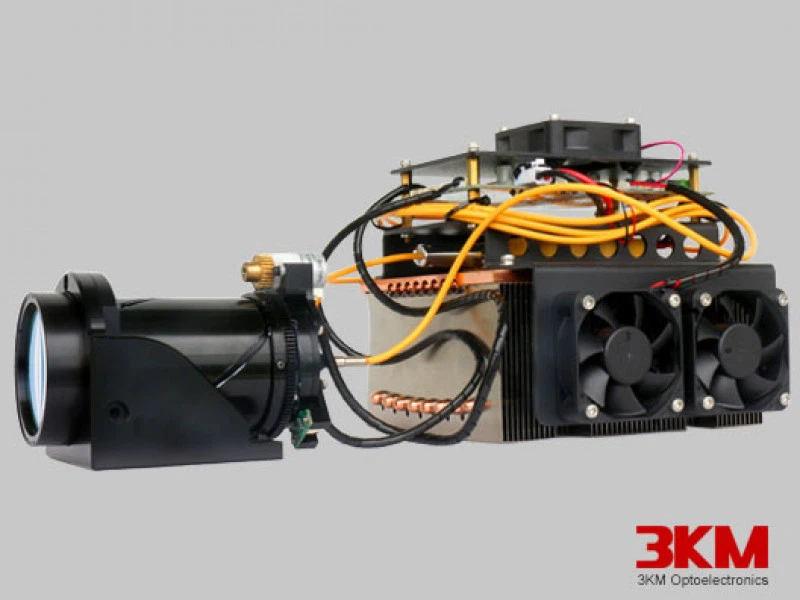
White laser lighting modules generate a significant amount of heat during operation. Adequate heat dissipation systems are required to prevent overheating, which can affect the performance and lifespan of the modules. Lighting designers need to carefully plan the installation and ventilation of the white laser lighting modules to ensure proper heat management.
Case Studies
There have been several successful applications of white laser lighting modules in stage lighting. For example, in a recent international music festival, white laser lighting modules were used to create a stunning visual display. The high brightness and excellent color quality of the lasers added a new dimension to the performances, enhancing the overall experience for the audience. The precise beam control allowed the lighting designers to create dynamic and ever - changing lighting patterns that synchronized perfectly with the music.
Conclusion
In conclusion, white laser lighting modules have great potential in stage lighting. Their high brightness, excellent color quality, precise beam control, long lifespan, and energy efficiency make them an attractive option for lighting designers. However, the challenges of cost, safety, and heat dissipation need to be carefully considered.
If you are interested in exploring the use of white laser lighting modules for your stage lighting projects, I encourage you to get in touch with us. We, as a professional supplier of White Laser Lighting Module, are committed to providing high - quality products and customized solutions to meet your specific needs. Whether you are planning a small - scale theater production or a large - scale concert, our white laser lighting modules can help you create unforgettable visual experiences.

References
- Smith, J. (2020). Advances in Laser Lighting Technology. Lighting Journal, 35(2), 45 - 52.
- Johnson, A. (2019). The Future of Stage Lighting: Laser - Based Solutions. Theater Arts Review, 22(3), 67 - 74.
- Brown, K. (2021). Safety Considerations in Laser Lighting Applications. Safety Science, 48(4), 123 - 130.