
Hey there! As a supplier of SWIR Laser Lighting Modules, I've got a lot to share about the maintenance these nifty devices need. So, let's dive right in and explore what it takes to keep your SWIR Laser Lighting Module in top - notch condition.
Why Maintenance Matters
First off, you might be wondering why maintenance is such a big deal. Well, just like your car or your favorite smartphone, a SWIR Laser Lighting Module needs some TLC to work at its best. These modules are used in a bunch of cool applications, like surveillance, machine vision, and scientific research. If they're not properly maintained, you could end up with reduced performance, shorter lifespan, and even some costly repairs down the line.
Regular Cleaning
One of the most basic yet crucial maintenance tasks is cleaning. The optical components of the SWIR Laser Lighting Module are super sensitive. Dust, dirt, and fingerprints can significantly affect the laser's output and beam quality.
For the lens, use a soft, lint - free cloth. You can also opt for a lens cleaning solution that's specifically designed for optical components. Gently wipe the lens in a circular motion, being careful not to apply too much pressure. If there are stubborn spots, you might need to use a microfiber swab. Just make sure it's clean and free of any debris before you use it.
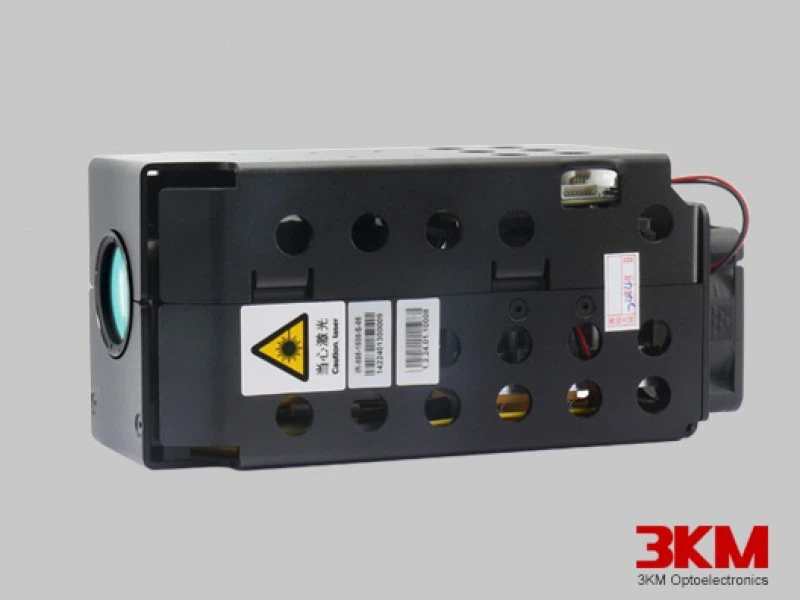

The exterior of the module also needs attention. A simple wipe - down with a damp cloth can remove any dirt or grime that has accumulated. But remember, don't let water get inside the module. You don't want to short - circuit any of the electronic components.
Inspection of Electrical Connections
Electrical connections are another area that needs regular checks. Loose or corroded connections can lead to power issues, which in turn can affect the performance of the Ultra Vision IR Laser Lighting Module.
Start by visually inspecting the cables and connectors. Look for any signs of wear, such as frayed wires or bent pins. If you find any issues, it's best to replace the affected parts right away. You can also use a multimeter to check the continuity of the electrical connections. This will help you identify if there are any breaks in the circuit.
Temperature and Humidity Control
SWIR Laser Lighting Modules are sensitive to temperature and humidity. High temperatures can cause the laser diodes to overheat, which can reduce their efficiency and lifespan. On the other hand, high humidity can lead to condensation inside the module, which can damage the electronic and optical components.
Make sure the module is installed in an environment with stable temperature and humidity levels. If possible, use a temperature - controlled enclosure. You can also use a dehumidifier in areas with high humidity. Regularly monitor the temperature and humidity levels in the installation area to ensure they stay within the recommended range.
Alignment Checks
Proper alignment is essential for the SWIR Laser Lighting Module to work effectively. Over time, the module might get misaligned due to vibrations, temperature changes, or physical impacts.
You'll need to perform regular alignment checks. This usually involves using a laser alignment tool. The tool will help you adjust the position of the laser so that the beam is focused and directed correctly. If you're not confident in doing this yourself, it's a good idea to consult a professional.
Software Updates
Many modern SWIR Laser Lighting Modules come with software that controls their operation. Just like your computer or smartphone, this software needs to be updated regularly.
Software updates can bring new features, improved performance, and bug fixes. Check the manufacturer's website regularly for any available updates. Follow the instructions carefully when installing the updates to avoid any issues.
Storage
If you need to store the SWIR Laser Lighting Module for an extended period, there are a few things to keep in mind. First, make sure the module is clean and dry before storing it. You can use a protective case to prevent any physical damage.
Store the module in a cool, dry place. Avoid storing it in areas with high humidity or extreme temperatures. If possible, store the module in a static - free environment to prevent any damage to the electronic components.
Maintenance Schedule
It's a good idea to create a maintenance schedule for your SWIR Laser Lighting Module. This will help you stay on top of all the necessary tasks.
For example, you could do a daily visual inspection of the module to check for any obvious signs of damage or dirt. Weekly, you can perform a more detailed cleaning of the optical components. Monthly, check the electrical connections and alignment. And every few months, update the software if there are any available updates.
When to Seek Professional Help
Sometimes, despite your best efforts, you might encounter issues that are beyond your expertise. If you notice a significant drop in performance, strange noises, or any other abnormal behavior, it's time to call in the pros.
Professional technicians have the tools and knowledge to diagnose and fix complex problems. They can also perform more in - depth maintenance tasks, such as internal component replacement.
Conclusion
Maintaining a SWIR Laser Lighting Module isn't overly complicated, but it does require some attention to detail. By following these maintenance tips, you can ensure that your module performs at its best and lasts for a long time.
If you're in the market for a high - quality SWIR Laser Lighting Module or need more information about maintenance, don't hesitate to reach out. We're here to help you make the right choice and keep your module running smoothly. Whether you're interested in the standard SWIR Laser Lighting Module, the Ultra Vision IR Laser Lighting Module, or the Ultra Vision IR Laser Lighting Module Mini, we've got you covered.
References
- Manufacturer's manuals for SWIR Laser Lighting Modules
- Industry standards for laser device maintenance
- Research papers on the impact of environmental factors on laser performance