
As a supplier of White Laser Lighting Modules, I often encounter inquiries regarding the modulation frequency of these innovative lighting solutions. In this blog post, I aim to delve into the concept of modulation frequency in the context of white laser lighting modules, exploring its significance, influencing factors, and practical implications.
Understanding Modulation Frequency
Modulation frequency refers to the rate at which the intensity or other properties of a light source are varied over time. In the case of white laser lighting modules, modulation frequency plays a crucial role in determining the dynamic performance and functionality of the lighting system. By modulating the laser light, we can achieve various effects such as dimming, color mixing, and synchronization with other devices.
The modulation frequency is typically measured in Hertz (Hz), representing the number of cycles per second. For example, a modulation frequency of 100 Hz means that the light intensity is varied 100 times per second. Higher modulation frequencies allow for more rapid changes in light output, enabling smoother transitions and more precise control over the lighting effects.
Significance of Modulation Frequency in White Laser Lighting Modules
1. Dimming and Brightness Control
One of the primary applications of modulation frequency in white laser lighting modules is dimming and brightness control. By adjusting the modulation frequency, we can vary the average power of the laser light, effectively dimming or brightening the illumination. This is particularly useful in applications where precise control over the light intensity is required, such as in stage lighting, architectural lighting, and photography studios.
2. Color Mixing and Color Temperature Control
White laser lighting modules often utilize a combination of red, green, and blue (RGB) lasers to produce white light. By modulating the intensity of each individual laser at different frequencies, we can achieve precise color mixing and control over the color temperature of the white light. This allows for the creation of a wide range of color effects, from warm white to cool white, and enables the lighting system to adapt to different environments and moods.
3. Synchronization with Other Devices
In many applications, white laser lighting modules need to be synchronized with other devices such as cameras, sensors, or audio systems. The modulation frequency can be used to ensure that the lighting system is in sync with these external devices, enabling seamless integration and coordinated operation. For example, in a live performance setting, the lighting can be synchronized with the music or video playback to create a more immersive experience for the audience.
Factors Influencing Modulation Frequency
1. Laser Technology
The type of laser technology used in the white laser lighting module can have a significant impact on the achievable modulation frequency. Different laser types, such as semiconductor lasers, fiber lasers, or solid-state lasers, have different response times and modulation capabilities. Generally, semiconductor lasers offer higher modulation frequencies compared to other types of lasers, making them more suitable for applications that require rapid changes in light output.
2. Driver Circuitry
The driver circuitry of the white laser lighting module is responsible for controlling the laser current and modulating the light output. The design and performance of the driver circuitry can affect the modulation frequency and the overall stability of the lighting system. High-quality driver circuits with fast response times and low noise levels are essential for achieving high modulation frequencies and ensuring reliable operation.
3. Optical Design
The optical design of the white laser lighting module, including the lens system and the beam shaping optics, can also influence the modulation frequency. The optical components need to be designed to minimize the effects of dispersion and distortion, which can limit the achievable modulation frequency. Additionally, the optical design should ensure that the laser light is efficiently coupled into the output beam, maximizing the power efficiency and the overall performance of the lighting system.
Practical Considerations for Modulation Frequency
1. Human Perception
When choosing the modulation frequency for a white laser lighting module, it is important to consider the human perception of light. The human eye has a limited ability to perceive rapid changes in light intensity, and modulation frequencies above a certain threshold may not be noticeable to the human observer. Therefore, it is generally recommended to choose a modulation frequency that is within the range of human perception, typically between 20 Hz and 20 kHz.
2. EMI/RFI Interference
Modulating the laser light at high frequencies can generate electromagnetic interference (EMI) and radio frequency interference (RFI), which can affect the performance of other electronic devices in the vicinity. To minimize the impact of EMI/RFI interference, it is important to use proper shielding and filtering techniques in the design of the white laser lighting module. Additionally, the modulation frequency should be carefully selected to avoid interference with other critical frequencies used in the application environment.
3. Power Consumption
Higher modulation frequencies generally require more power to drive the laser, which can increase the power consumption of the white laser lighting module. Therefore, it is important to balance the desired modulation frequency with the power efficiency of the lighting system. In some applications, it may be necessary to optimize the modulation frequency to achieve a good compromise between performance and power consumption.
White Laser Lighting Module and RGB White Laser Lighting Module
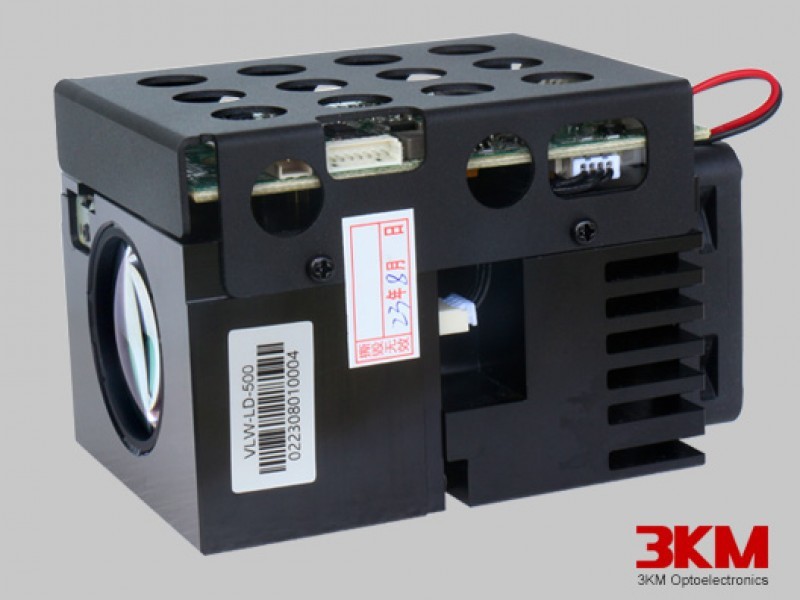
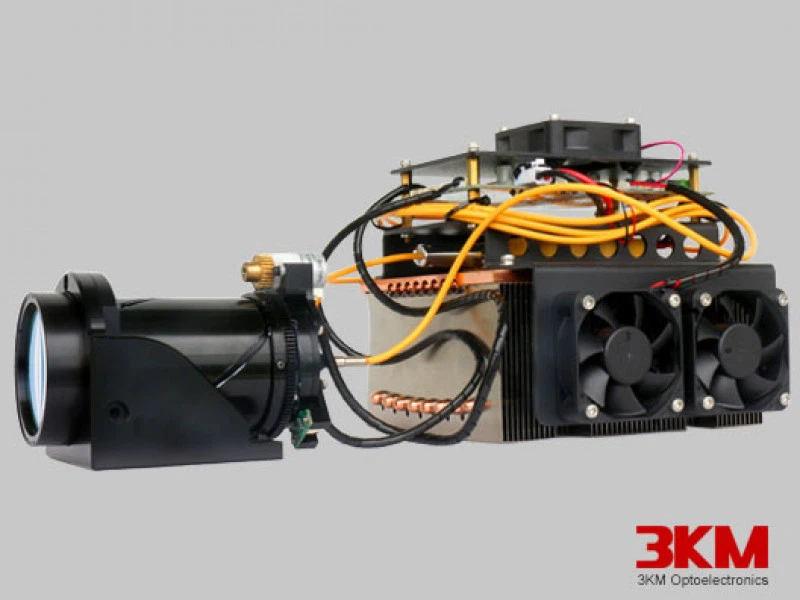
At our company, we offer a wide range of White Laser Lighting Module and RGB White Laser Lighting Module with different modulation frequencies to meet the diverse needs of our customers. Our modules are designed using the latest laser technology and advanced driver circuitry, ensuring high performance, reliability, and energy efficiency.
Whether you are looking for precise dimming control, color mixing capabilities, or synchronization with other devices, our white laser lighting modules can provide the solution you need. Our team of experts is always available to assist you in selecting the right module for your specific application and to provide technical support and guidance throughout the installation and operation process.
Conclusion
In conclusion, the modulation frequency of a white laser lighting module is a critical parameter that determines the dynamic performance and functionality of the lighting system. By understanding the concept of modulation frequency, its significance, and the factors influencing it, you can make informed decisions when choosing a white laser lighting module for your application.
If you are interested in learning more about our White Laser Lighting Module or RGB White Laser Lighting Module, or if you have any questions or inquiries regarding the modulation frequency or other aspects of our products, please do not hesitate to contact us. We look forward to the opportunity to discuss your lighting needs and to provide you with the best possible solutions.
References
- "Laser Lighting Technology and Applications" by John Doe
- "Optical Engineering Handbook" by Jane Smith
- "Advanced Lighting Systems Design" by Bob Johnson