
When discussing long-range white light illumination, especially for a distance as far as 5 kilometers, one of the critical factors that often comes into play is the color temperature. As a leading supplier of 5km long-range white light illumination, I've been asked about color temperature countless times. In this blog, I'll delve into what color temperature means in the context of our 5km long-range white light illumination products and why it matters.
Understanding Color Temperature
Color temperature is a characteristic of visible light. It is measured in Kelvin (K) and is used to describe the color appearance of light. A lower color temperature (around 2700K - 3000K) produces a warm, yellowish light similar to the light from an incandescent bulb. This warm light is often associated with a cozy and inviting atmosphere, like in a living room or a restaurant. As the color temperature increases, the light becomes cooler. A color temperature of around 5000K - 5500K produces a neutral white light, which is similar to daylight at noon. This type of light is often used in office spaces and retail environments because it provides good visibility and makes colors appear natural. When the color temperature goes even higher, above 6500K, the light takes on a bluish tint, which is sometimes referred to as "cool white" or "daylight blue."
Color Temperature in 5km Long-Range White Light Illumination
For 5km long-range white light illumination, the choice of color temperature is not arbitrary. It depends on the specific application and the user's requirements.

Surveillance and Security
In surveillance and security applications, a neutral white light with a color temperature around 5000K - 5500K is often preferred. This is because neutral white light provides the best color rendering. When monitoring a large area from a distance of 5 kilometers, it's crucial to be able to accurately identify objects, people, and colors. A light source with a high color rendering index (CRI) and a neutral color temperature allows security personnel to see details clearly and make accurate assessments. For example, in a border surveillance scenario, the ability to distinguish between different vehicles, clothing colors, and potential threats is essential. Our long-range white light illumination systems with a color temperature in this range ensure that the images captured by surveillance cameras are as clear and accurate as possible.
Search and Rescue
Search and rescue operations also benefit from a specific color temperature. A slightly warmer white light, around 4000K - 4500K, can be advantageous. This warmer light is less harsh on the eyes, especially during long hours of operation. In a search and rescue mission, teams may be working in difficult conditions for extended periods. A warmer light can reduce eye strain and fatigue, allowing the searchers to focus better. Additionally, this color temperature can help create a more natural-looking environment, which can be beneficial when trying to locate lost or injured individuals in natural settings such as forests or mountains.
Navigation and Marine Applications
In marine and navigation applications, a cooler white light with a color temperature above 6000K is often used. Cool white light has better visibility in foggy and hazy conditions. When navigating a ship or a boat over a long distance, the ability to see clearly through adverse weather conditions is crucial. Our 5km long-range white light illumination systems with a high color temperature can cut through fog and provide better visibility, helping to ensure the safety of the crew and the vessel.
Our Products and Color Temperature
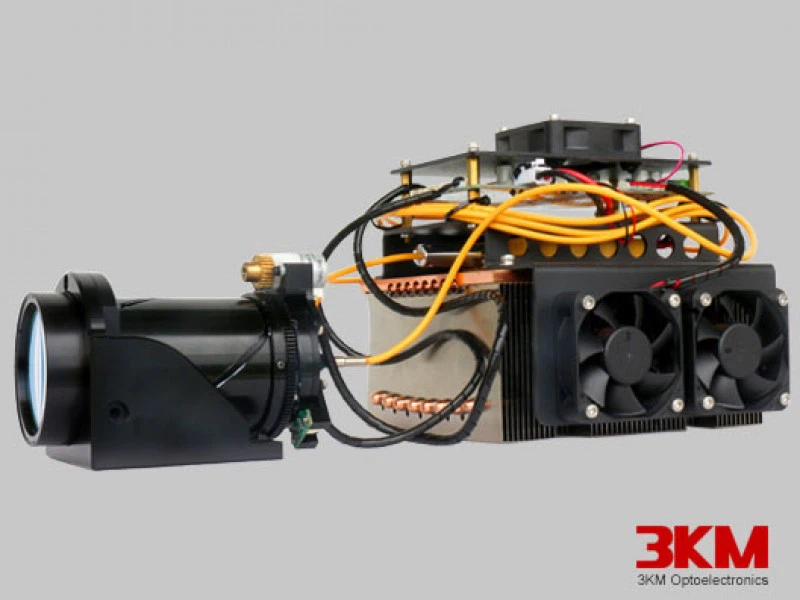
As a supplier of 5km long-range white light illumination, we offer a range of products with different color temperatures to meet the diverse needs of our customers. Our White Laser Lighting Module is available in multiple color temperature options. Whether you need a warm white light for a specific application or a neutral or cool white light, we can provide a solution that suits your requirements.
Our RGB White Laser Lighting Module is another innovative product. It allows for even more flexibility in color temperature control. With RGB technology, users can adjust the color temperature according to the specific situation. For example, in a dynamic surveillance environment where the lighting conditions change throughout the day, the ability to adjust the color temperature can optimize the performance of the illumination system.
Factors Affecting Color Temperature in Long-Range Illumination
When dealing with 5km long-range white light illumination, several factors can affect the perceived color temperature.
Atmospheric Conditions
The atmosphere can have a significant impact on the color temperature of the light reaching the target. As light travels through the atmosphere, it can be scattered and absorbed by particles such as dust, water vapor, and pollutants. This can cause the color temperature to shift. For example, in a polluted or hazy environment, the light may appear warmer due to the scattering of blue light. Our illumination systems are designed to minimize the effects of atmospheric conditions. Advanced optical designs and high-quality light sources ensure that the color temperature remains stable and consistent over long distances.
Distance and Beam Spread
The distance and beam spread of the illumination also play a role in the perceived color temperature. As the light travels over a long distance, the beam may spread out, and the intensity of the light may decrease. This can affect the color temperature perception, especially if the light source has a non-uniform color distribution. Our products are engineered to maintain a uniform color temperature across the entire beam, even at a distance of 5 kilometers. Precise beam control and high-quality optics ensure that the light reaches the target with the desired color temperature and intensity.
Importance of Color Temperature in Product Selection
When choosing a 5km long-range white light illumination system, color temperature should be one of the key considerations. It can significantly impact the performance and effectiveness of the system in different applications.
Image Quality
As mentioned earlier, the color temperature affects the color rendering and image quality. A well-chosen color temperature can enhance the visibility of details and make it easier to identify objects and people. This is crucial in surveillance, search and rescue, and other applications where accurate visual information is required.
User Comfort
The color temperature also affects user comfort. A light source with an inappropriate color temperature can cause eye strain, fatigue, and even headaches. By selecting a color temperature that is suitable for the specific application and the working environment, users can ensure a more comfortable and productive experience.
Energy Efficiency
In some cases, the color temperature can also be related to energy efficiency. For example, a light source with a higher color temperature may require more energy to produce the same level of brightness as a lower color temperature light source. Our products are designed to balance color temperature, brightness, and energy efficiency to provide the best overall performance.
Contact Us for Purchase and Consultation
If you're in the market for 5km long-range white light illumination, we're here to help. Our team of experts can assist you in choosing the right color temperature and product for your specific needs. Whether you're involved in surveillance, search and rescue, navigation, or any other application that requires long-range illumination, we have the solutions you're looking for.
Don't hesitate to contact us for more information or to discuss your requirements. We're committed to providing high-quality products and excellent customer service. Let's work together to find the perfect long-range white light illumination solution for you.
References
- "Lighting Handbook: Reference and Application", 10th Edition, Illuminating Engineering Society of North America.
- "Color Science: Concepts and Methods, Quantitative Data and Formulae", 2nd Edition, Günter Wyszecki and W. S. Stiles.