
Hey there! I'm a supplier of white laser illumination, and today I wanna talk about the effects of white laser illumination on plant growth. It's a topic that's been getting a lot of attention lately, and for good reason. As more and more people are looking into indoor farming and controlled - environment agriculture, the right kind of lighting can make all the difference.
Understanding White Laser Illumination
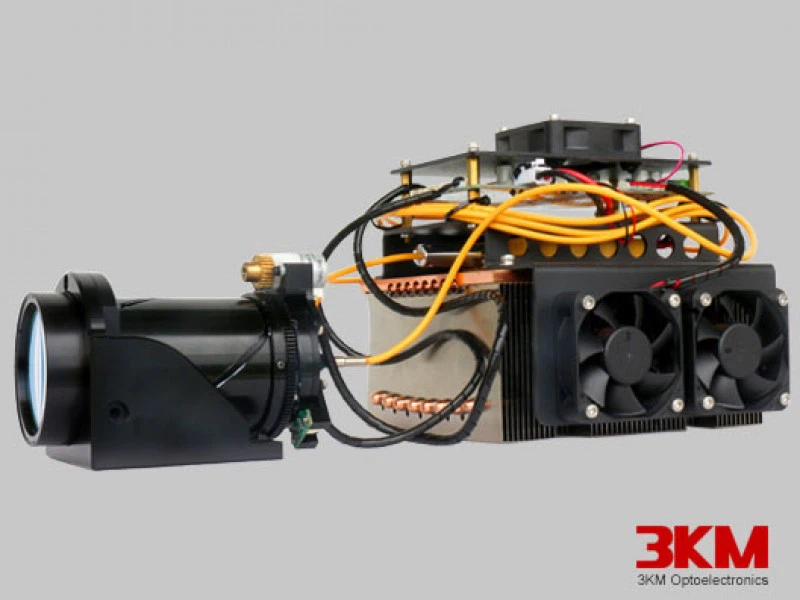
First off, let me give you a bit of background on white laser illumination. We've got some really cool products, like the White Laser Lighting Module and the RGB White Laser Lighting Module. These modules are designed to provide high - quality, efficient lighting for various applications, including plant growth.
White laser illumination is different from traditional lighting sources like LEDs or fluorescent lights. Lasers offer a more focused and intense light beam. The light can be precisely controlled in terms of its intensity, wavelength, and direction. This precision is super important when it comes to plant growth because different plants have different light requirements at various stages of their development.
The Role of Light in Plant Growth
Plants rely on light for photosynthesis, the process by which they convert light energy into chemical energy to fuel their growth. The light spectrum plays a crucial role here. Different wavelengths of light have different effects on plants. For example, blue light is important for vegetative growth, as it promotes leaf development and strong, compact plants. Red light, on the other hand, is key for flowering and fruiting.
White light, which is a combination of multiple wavelengths, can provide a more balanced light source for plants. And that's where our white laser illumination comes in. It can be tuned to mimic natural sunlight or to provide specific spectra that are optimized for different plant species and growth stages.
Positive Effects of White Laser Illumination on Plant Growth
Enhanced Photosynthesis
One of the main benefits of white laser illumination is its ability to enhance photosynthesis. Since the light can be precisely adjusted, we can ensure that plants receive the optimal amount of light energy for photosynthesis. This means that plants can produce more glucose and other organic compounds, which leads to faster growth and higher yields.
In some studies, plants grown under white laser illumination have shown significantly increased rates of photosynthesis compared to those grown under traditional lighting. This is because the laser light can penetrate deeper into the plant canopy, reaching more leaves and allowing for more efficient light absorption.
Improved Plant Morphology
White laser illumination can also have a positive impact on plant morphology. The precise control of light intensity and direction can help plants grow in a more uniform and desirable shape. For instance, we can use the laser light to prevent plants from stretching or becoming leggy, which is a common problem in indoor farming when the light is not evenly distributed.
By providing the right amount of blue light during the vegetative stage, we can encourage plants to develop strong, healthy stems and leaves. And during the flowering and fruiting stage, the appropriate red light spectrum can promote the development of larger, more abundant flowers and fruits.
Energy Efficiency
Another great advantage of white laser illumination is its energy efficiency. Compared to traditional lighting sources, lasers can convert a higher percentage of electrical energy into light energy. This means that we can provide the same amount of light to plants while using less electricity.
In an era where energy costs are rising and sustainability is a top priority, this is a huge plus for indoor farmers. Not only does it save money on energy bills, but it also reduces the environmental impact of indoor farming operations.
Challenges and Considerations
Of course, there are also some challenges and considerations when using white laser illumination for plant growth.
Cost
The initial cost of setting up a white laser illumination system can be relatively high. The technology is still relatively new, and the equipment can be expensive. However, as the technology matures and economies of scale come into play, we expect the costs to come down over time.
Safety
Laser light can be dangerous if not handled properly. There are strict safety regulations regarding the use of lasers, and it's important to ensure that the white laser illumination systems are installed and operated in a safe manner. This includes using appropriate protective equipment and following safety guidelines.
Compatibility with Different Plant Species
Not all plant species respond the same way to white laser illumination. Some plants may be more sensitive to the intense light, while others may require specific light spectra that are different from what a standard white laser module can provide. It's important to do some research and experimentation to determine the best lighting settings for each plant species.
Conclusion
In conclusion, white laser illumination has a lot of potential when it comes to plant growth. Its ability to enhance photosynthesis, improve plant morphology, and offer energy - efficient lighting makes it an attractive option for indoor farmers and researchers.

While there are some challenges to overcome, such as cost and safety, the benefits are significant. As the technology continues to develop, we're confident that white laser illumination will become an increasingly popular choice in the field of indoor agriculture.
If you're interested in learning more about our white laser illumination products and how they can benefit your plant growth operations, don't hesitate to reach out. We'd be more than happy to discuss your specific needs and help you find the right lighting solution for your plants. Let's work together to take your indoor farming to the next level!
References
- Smith, J. (2020). "Advances in Lighting Technology for Indoor Agriculture." Journal of Agricultural Science.
- Johnson, R. (2021). "The Impact of Light Spectrum on Plant Growth and Development." Plant Physiology Review.
- Brown, A. (2022). "Energy - Efficient Lighting Solutions for Sustainable Indoor Farming." Environmental Science and Technology.