
Hey there! As a supplier of long range white light illumination, I've been getting a lot of questions lately about whether long range white light illumination is affected by electromagnetic interference. So, I thought I'd take some time to dig into this topic and share what I've found.
First off, let's talk about what long range white light illumination is. It's a lighting solution that can project a powerful, white light over a long distance. This is super useful in a bunch of different scenarios, like security surveillance in large areas, outdoor events at night, and even some industrial applications. We offer some great products in this area, like the White Laser Lighting Module and the RGB White Laser Lighting Module, which are really popular among our customers.
Now, onto the big question: Is it affected by electromagnetic interference? Well, to understand this, we need to know a bit about electromagnetic interference (EMI) first. EMI is basically the disruption that can happen when an electromagnetic field from one source affects another electrical device. It can come from all sorts of things, like power lines, electrical motors, and even some electronic gadgets.
When it comes to long range white light illumination, there are a few factors that can determine whether it'll be affected by EMI. One of the main things is the type of technology used in the lighting system. For example, if the system uses a lot of sensitive electronic components, it might be more prone to EMI. Some older lighting technologies that rely on analog circuits can be particularly vulnerable.
Let's take a closer look at how EMI could potentially mess with long range white light illumination. One of the most obvious effects could be a change in the light output. EMI might cause the light to flicker or dim unexpectedly. This is a big deal, especially in applications where a consistent and stable light source is crucial, like in security cameras. If the light is flickering, it can make it really hard to get clear footage, which defeats the purpose of having the long range illumination in the first place.
Another possible effect is on the control systems of the lighting. Many modern long range white light illumination systems can be controlled remotely, either through a wired or wireless connection. EMI can interfere with these control signals, causing the lights to turn on or off at the wrong times, or not respond to commands at all. This can be a real headache for users who rely on precise control of their lighting.
But it's not all doom and gloom. There are ways to make long range white light illumination more resistant to EMI. One of the most common methods is to use shielding. Shielding involves wrapping the sensitive electronic components of the lighting system in a conductive material, like metal. This material acts as a barrier, blocking the electromagnetic fields from reaching the components inside. It's like giving the lighting system a protective armor against EMI.

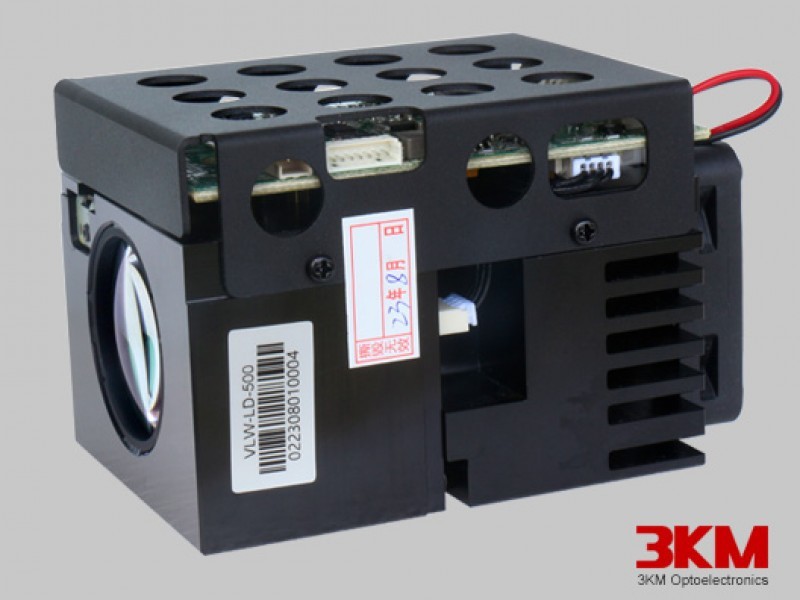
Filtering is another important technique. Filters can be added to the electrical circuits of the lighting system to remove any unwanted electromagnetic frequencies. These filters work by allowing only the desired frequencies to pass through, while blocking out the rest. This helps to keep the electrical signals in the system clean and free from interference.
At our company, we've put a lot of effort into making our long range white light illumination products as resistant to EMI as possible. We use high - quality shielding materials and advanced filtering techniques in our designs. This means that our customers can rely on our products to work consistently, even in environments with high levels of electromagnetic activity.
Let's look at some real - world examples. In a large industrial complex, there are often lots of electrical motors and power equipment running. These can generate a significant amount of EMI. If a security lighting system in this area isn't properly protected against EMI, it could start to malfunction. But with our well - shielded and filtered long range white light illumination products, the lights can continue to provide reliable illumination, allowing for clear surveillance of the area.
In outdoor events, there might be a lot of electronic equipment like sound systems and stage lighting. These can also produce EMI. Our lighting solutions can withstand this interference, ensuring that the event area is well - lit throughout the night.
So, to sum it up, long range white light illumination can be affected by electromagnetic interference, but there are ways to minimize the impact. By using proper shielding, filtering, and high - quality components, we can make the lighting systems more reliable and less prone to EMI - related issues.
If you're in the market for long range white light illumination, whether it's for security, events, or industrial use, I highly recommend considering our products. We've got a wide range of options, including the White Laser Lighting Module and the RGB White Laser Lighting Module, which are designed to be tough and resistant to EMI.
If you're interested in learning more about our products or have any questions about long range white light illumination and EMI, don't hesitate to reach out. We're always happy to have a chat and help you find the right lighting solution for your needs. Whether you're a small business owner looking to improve security at your premises or an event organizer planning a big outdoor show, we've got the expertise and products to support you. So, get in touch and let's start a conversation about how we can light up your world!
References
- "Electromagnetic Compatibility Engineering" by Henry W. Ott
- "Lighting Technology and Applications" by John M. Bullough