
Hey there! As a supplier of White Laser Lighting Modules, I often get asked this burning question: Is a white laser lighting module compatible with smart lighting systems? Well, let's dive right into it and find out.
First off, let's talk a bit about what a white laser lighting module is. A White Laser Lighting Module is a cutting - edge lighting technology that uses lasers to produce white light. It's different from traditional lighting sources like incandescent bulbs or LEDs. Lasers offer several advantages, such as high brightness, long lifespan, and excellent color rendering.
Now, onto smart lighting systems. Smart lighting has become incredibly popular in recent years. People love being able to control their lights with their smartphones, voice assistants like Alexa or Google Assistant, or through home automation systems. These systems allow for dimming, changing colors (in the case of RGB - capable lights), and setting schedules.
So, can a white laser lighting module play nice with these smart setups? The short answer is yes, in many cases. But like any new technology integration, there are some factors to consider.
Compatibility Factors
Communication Protocols
Smart lighting systems rely on specific communication protocols to function. Some of the most common ones are Zigbee, Z - Wave, and Wi - Fi. For a white laser lighting module to be compatible, it needs to support one of these protocols. Many modern white laser lighting modules are being designed with these communication standards in mind. For example, manufacturers are embedding Zigbee chips into the modules, allowing them to communicate with Zigbee - enabled smart hubs. This enables seamless integration with a wide range of smart home devices and platforms.
Power Requirements
Another crucial aspect is power. Smart lighting systems often have specific power requirements and management features. White laser lighting modules typically have different power consumption profiles compared to traditional lights. They may require a more stable power supply due to the nature of laser technology. However, advancements in power management have made it possible to design modules that can work well within the power constraints of smart lighting systems. Some modules even come with built - in power regulators to ensure they can operate efficiently alongside other smart devices.
Control Features
Smart lighting is all about control. Users want to be able to adjust the brightness, color temperature (in the case of white light), and even create custom lighting scenes. A white laser lighting module needs to support these control features. Many high - end RGB White Laser Lighting Module can offer a wide range of color options and precise brightness control. This means that they can be integrated into smart lighting systems to create dynamic and personalized lighting experiences, just like traditional RGB LED lights.
Benefits of Integration
Enhanced Lighting Quality
When a white laser lighting module is integrated with a smart lighting system, it can take the lighting quality to a whole new level. The high - quality white light produced by lasers, combined with the ability to control brightness and color temperature, allows for creating the perfect lighting environment for any occasion. Whether it's a cozy evening at home or a bright and productive workspace, smart control can optimize the lighting output of the white laser module.
Energy Efficiency
Smart lighting systems are known for their energy - saving capabilities. By integrating a white laser lighting module, which is already energy - efficient on its own, users can further reduce their energy consumption. For example, the smart system can automatically adjust the light intensity based on the time of day or the presence of people in the room. This means that the white laser module will only use as much power as needed, resulting in lower electricity bills.
Home Automation Integration
Integrating a white laser lighting module with a smart lighting system also means it can be part of a larger home automation network. This allows for seamless coordination with other smart devices, such as thermostats, security cameras, and door locks. For instance, the lights can be set to turn on automatically when the security system detects someone approaching the house, providing an added layer of security and convenience.
Challenges and Considerations
Cost
One of the main challenges is the cost. White laser lighting modules are still relatively new technology, and as such, they can be more expensive than traditional lighting options. Additionally, the cost of integrating them into a smart lighting system may include the price of a compatible smart hub or additional control devices. However, as the technology matures and production volumes increase, the cost is expected to come down over time.
Technical Expertise
Installing and configuring a white laser lighting module in a smart lighting system may require some technical knowledge. Unlike traditional bulbs that can be simply screwed in, these modules may need to be wired correctly and paired with the smart hub properly. This may pose a challenge for some users, especially those who are not tech - savvy. However, many manufacturers are providing detailed installation guides and customer support to help users through the process.
Conclusion
In conclusion, a white laser lighting module can be compatible with smart lighting systems, and the benefits of integration are significant. With the right communication protocols, power management, and control features, these modules can offer enhanced lighting quality, energy efficiency, and seamless home automation integration. While there are challenges such as cost and technical expertise, the future looks bright for this combination of technologies.

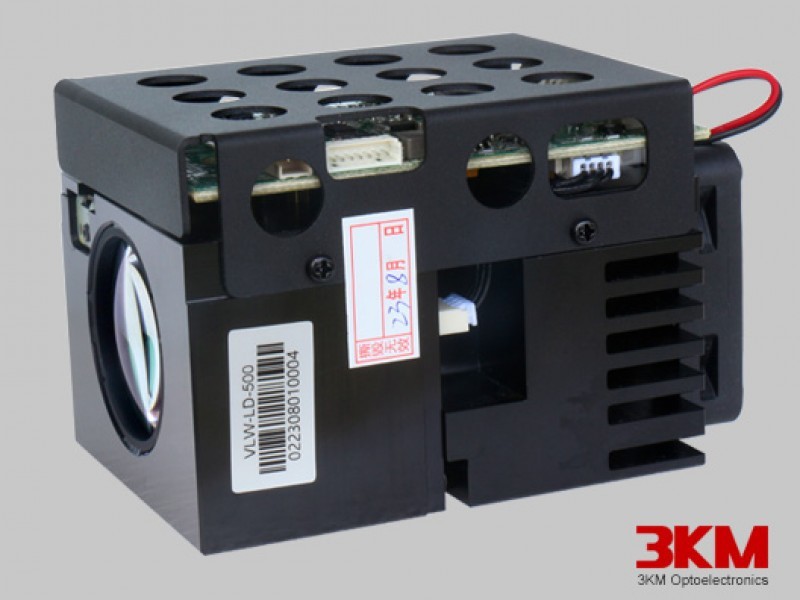
If you're interested in exploring the possibilities of using a white laser lighting module in your smart lighting setup, I'd love to have a chat. We can discuss your specific needs and how our products can fit into your home or commercial space. Feel free to reach out and start the conversation about bringing the next - generation lighting technology to your place.
References
- Lighting Research Center, Rensselaer Polytechnic Institute. "Advances in Lighting Technology."
- Smart Home Technology Association. "Communication Protocols in Smart Lighting Systems."