
As a supplier of long range white light illumination, I've witnessed firsthand the importance and challenges of maintaining this specialized lighting solution. Long range white light illumination is crucial in various fields, including surveillance, marine navigation, and outdoor sports. In this blog, I'll share some practical tips on how to keep your long range white light illumination systems in top - notch condition.
Understanding the Basics of Long Range White Light Illumination
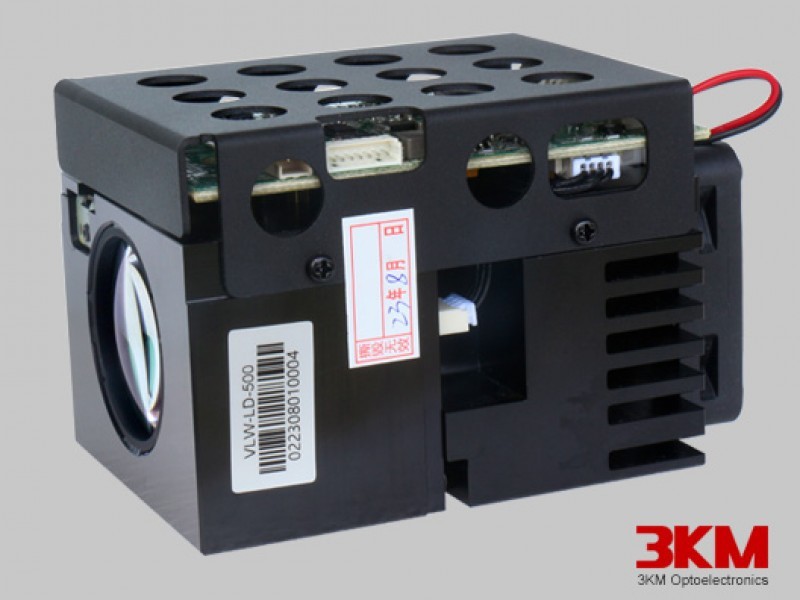
Before delving into maintenance, it's essential to understand how long range white light illumination works. These systems typically rely on high - intensity light sources, such as lasers or powerful LEDs, to project light over long distances. The key components often include the light source, a lens system for beam focusing, and a power supply. For instance, our White Laser Lighting Module uses advanced laser technology to provide a high - intensity, long - range white light.
Regular Cleaning and Inspection
One of the simplest yet most effective ways to maintain long range white light illumination is through regular cleaning and inspection. The lens, which is responsible for focusing the light beam, can accumulate dust, dirt, and debris over time. This buildup can significantly reduce the light output and the quality of the beam.
To clean the lens, use a soft, lint - free cloth and a mild cleaning solution specifically designed for optical surfaces. Avoid using abrasive materials that could scratch the lens. Gently wipe the lens in a circular motion, starting from the center and moving outwards.
In addition to the lens, inspect the entire system for any signs of physical damage. Check for loose connections, cracks in the housing, or any other visible issues. If you notice any problems, address them immediately to prevent further damage.
Proper Storage
When the long range white light illumination system is not in use, proper storage is crucial. Store the system in a cool, dry place away from direct sunlight and extreme temperatures. Exposure to high temperatures can damage the internal components, such as the light source and the power supply.
If possible, use a protective case to store the system. This will help prevent dust and debris from accumulating on the system and also protect it from accidental impacts. Make sure the system is turned off and unplugged before storing it.
Power Supply Management
The power supply is a critical component of any long range white light illumination system. A stable and proper power supply is essential for the system to function correctly. First, ensure that the power supply is compatible with the system's requirements. Using an incorrect power supply can lead to overheating, reduced performance, or even permanent damage to the system.
Regularly check the power cables for any signs of wear or damage. Replace any frayed or damaged cables immediately. It's also a good idea to use a surge protector to protect the system from power surges, which can occur due to lightning strikes or electrical grid issues.
Firmware and Software Updates
Many modern long range white light illumination systems are equipped with firmware or software that controls various functions, such as beam adjustment and intensity control. Manufacturers often release updates to improve the system's performance, add new features, or fix bugs.
Check the manufacturer's website regularly for any available updates. Follow the instructions provided by the manufacturer to install the updates correctly. Firmware and software updates can enhance the system's functionality and reliability, so it's important not to skip them.
Alignment and Calibration
Over time, the alignment of the light beam may shift, affecting the system's performance. Regularly check and calibrate the alignment of the long range white light illumination system. This may involve adjusting the position of the light source or the lens to ensure that the beam is focused correctly and projected in the desired direction.
Some systems come with built - in alignment tools or calibration procedures. Refer to the system's user manual for specific instructions on how to perform alignment and calibration. If you're unsure how to do it, contact the manufacturer's technical support for assistance.

Component Replacement
Even with proper maintenance, some components of the long range white light illumination system may eventually wear out and need to be replaced. Keep a stock of essential replacement parts, such as bulbs (if applicable), fuses, and filters.
When replacing a component, make sure to use genuine parts recommended by the manufacturer. Using non - genuine parts may void the warranty and could also lead to compatibility issues or reduced performance. Follow the manufacturer's instructions carefully when replacing components to ensure a proper installation.
Training and Staff Education
If your long range white light illumination system is used in a professional setting, it's important to provide training to the staff who will be operating and maintaining the system. Ensure that they understand how to use the system correctly, perform basic maintenance tasks, and recognize when there is a problem.
Training can help prevent misuse of the system, which can lead to unnecessary damage. It also enables the staff to identify and address minor issues before they become major problems. Consider organizing regular training sessions to keep the staff updated on the latest maintenance techniques and best practices.
Environmental Considerations
The environment in which the long range white light illumination system operates can have a significant impact on its performance and lifespan. In harsh environments, such as areas with high humidity, dust, or saltwater exposure, additional precautions may be required.
For example, in a marine environment, the system may be exposed to saltwater corrosion. Use corrosion - resistant materials for the housing and regularly clean the system with fresh water to remove salt deposits. In dusty environments, consider using a dust - proof enclosure to protect the system from dust ingress.
Conclusion
Maintaining long range white light illumination is a multi - faceted process that requires attention to detail and regular upkeep. By following the tips outlined in this blog, you can ensure that your long range white light illumination system remains in optimal condition, providing reliable and high - quality lighting over an extended period.
If you're in the market for a long range white light illumination solution or need further advice on maintenance, feel free to reach out to us. We're here to help you make the most of your lighting system and ensure its long - term performance. Whether you're interested in our White Laser Lighting Module or RGB White Laser Lighting Module, we can provide you with the best products and support. Contact us today to start a conversation about your lighting needs.
References
- "Optical System Maintenance Handbook", published by ABC Publishing.
- "Long - Range Lighting Technology and Applications", by XYZ Research Institute.
- Manufacturer's user manuals for long range white light illumination systems.