
As a provider of long-range white light illumination solutions, I've witnessed firsthand the transformative impact of high-quality lighting in various settings. Whether it's for security surveillance, wildlife observation, or large-scale industrial applications, long-range white light illumination offers unparalleled visibility and clarity over extended distances. In this blog post, I'll guide you through the process of installing long-range white light illumination, sharing insights and best practices based on my years of experience in the industry.
Understanding Long-Range White Light Illumination
Before diving into the installation process, it's essential to understand the key components and technologies behind long-range white light illumination. Unlike traditional lighting sources, which may have limited range and coverage, long-range white light illuminators are designed to project a powerful beam of light over significant distances. This is achieved through advanced optical systems, high-intensity light sources, and efficient power management.
One of the most popular technologies used in long-range white light illumination is laser lighting. Laser-based illuminators offer several advantages over conventional lighting sources, including higher efficiency, longer range, and better beam control. For example, our RGB White Laser Lighting Module and White Laser Lighting Module are designed to provide exceptional long-range illumination with minimal power consumption.
Pre-Installation Considerations
Before installing a long-range white light illumination system, it's crucial to conduct a thorough site assessment to determine the optimal location and configuration for your specific needs. Here are some key factors to consider:
- Location: Identify the areas that require illumination and determine the best vantage points for mounting the illuminators. Consider factors such as line of sight, elevation, and potential obstructions.
- Distance: Measure the distance between the illuminator and the target area to ensure that the selected illuminator has sufficient range to provide adequate illumination.
- Environment: Evaluate the environmental conditions at the installation site, including temperature, humidity, and exposure to dust or moisture. Choose illuminators that are designed to withstand these conditions and provide reliable performance over time.
- Power Supply: Determine the power requirements of the illuminators and ensure that a suitable power source is available at the installation site. Consider using a dedicated power supply or a backup power system to ensure continuous operation in the event of a power outage.
Installation Steps
Once you've completed the site assessment and gathered all the necessary equipment, you're ready to begin the installation process. Here are the general steps involved in installing a long-range white light illumination system:
- Mounting the Illuminators: Use the appropriate mounting hardware to secure the illuminators to the selected location. Ensure that the illuminators are level and properly aligned to provide the desired coverage and beam pattern.
- Connecting the Power Supply: Connect the illuminators to the power supply using the provided power cables. Follow the manufacturer's instructions carefully to ensure proper wiring and grounding.
- Adjusting the Beam Angle: Use the adjustable mounting brackets or aiming mechanisms to adjust the beam angle of the illuminators. This will allow you to direct the light precisely where it's needed and optimize the illumination coverage.
- Testing the System: Once the illuminators are installed and connected, test the system to ensure that it's functioning properly. Turn on the power and verify that the illuminators are emitting a bright, focused beam of light.
- Fine-Tuning the System: If necessary, make any adjustments to the beam angle, intensity, or other settings to achieve the desired illumination效果. This may involve using the built-in controls or a remote control device.
Maintenance and Troubleshooting
To ensure the long-term performance and reliability of your long-range white light illumination system, it's important to perform regular maintenance and troubleshooting. Here are some tips to help you keep your system in top condition:
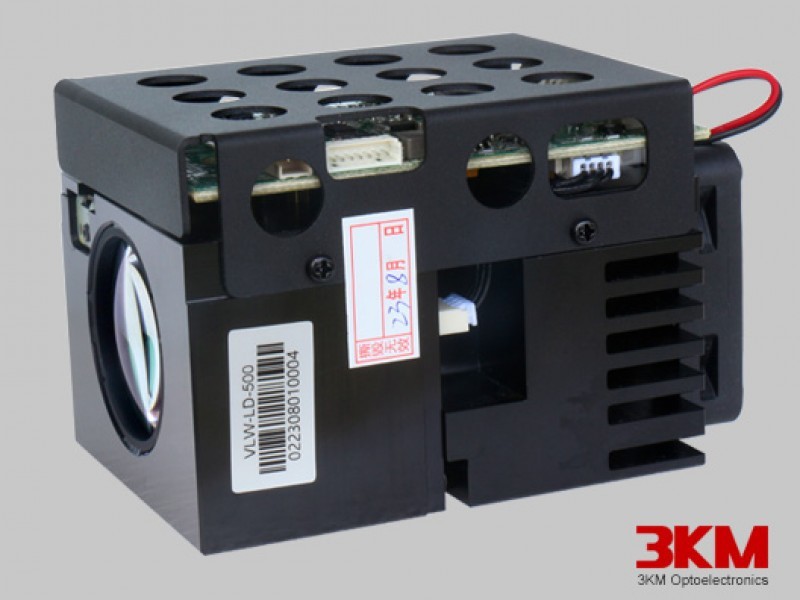

- Cleaning: Regularly clean the lenses and housing of the illuminators to remove dirt, dust, and other debris. Use a soft, dry cloth or a mild cleaning solution to avoid damaging the optical components.
- Inspection: Periodically inspect the illuminators for signs of damage or wear, such as cracks, loose connections, or corrosion. Replace any damaged components immediately to prevent further damage or system failure.
- Testing: Conduct regular tests to ensure that the illuminators are functioning properly and providing the desired illumination效果. This may involve using a light meter or other testing equipment to measure the intensity and coverage of the light.
- Troubleshooting: If you encounter any problems with your long-range white light illumination system, refer to the manufacturer's troubleshooting guide or contact their technical support team for assistance. They can help you diagnose the problem and provide solutions to resolve it quickly.
Conclusion
Installing a long-range white light illumination system can significantly enhance the visibility and security of your property or facility. By following the steps outlined in this blog post and considering the pre-installation and maintenance tips, you can ensure a successful installation and enjoy the benefits of high-quality long-range illumination for years to come.
If you're interested in learning more about our long-range white light illumination products or have any questions about the installation process, please don't hesitate to contact us. Our team of experts is available to provide you with personalized advice and support to help you choose the right solution for your specific needs. We look forward to working with you to enhance your lighting experience.
References
- Manufacturer's installation and user manuals for long-range white light illumination products.
- Industry standards and guidelines for lighting installation and maintenance.