
Hey there! I'm a supplier of White Laser Lighting Module. Today, I wanna chat about how to control the brightness of a white laser lighting module.
Understanding White Laser Lighting Modules
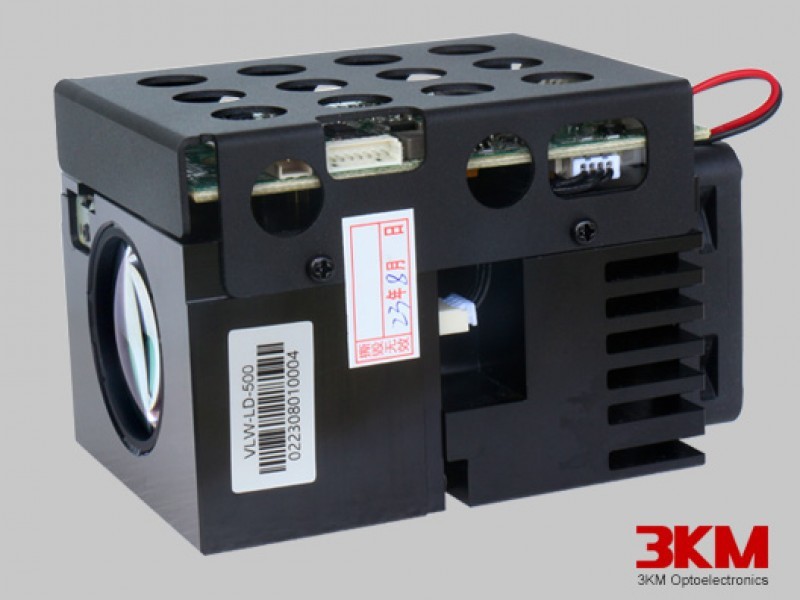
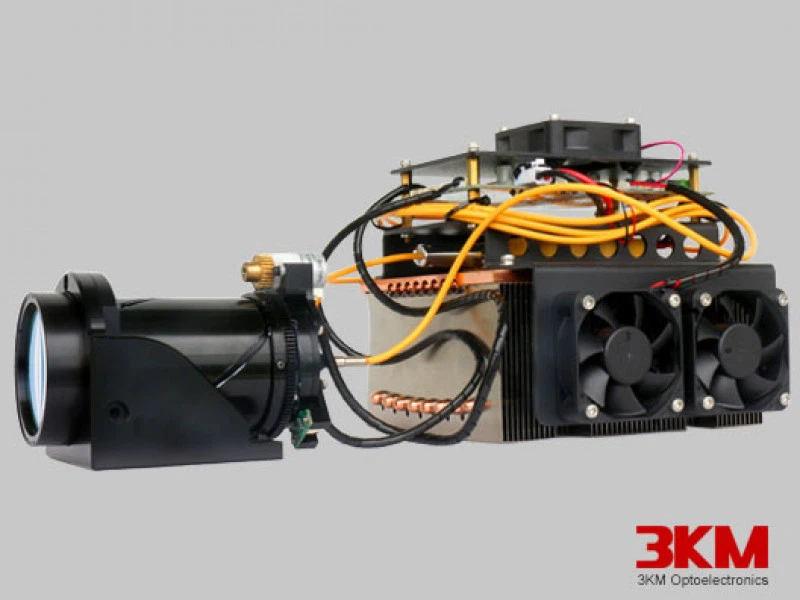
Before we dive into brightness control, let's quickly go over what white laser lighting modules are. These nifty devices use laser technology to produce white light. They're different from traditional lighting sources like LEDs or incandescent bulbs. White laser lighting modules offer high - intensity light, long - distance illumination, and excellent color rendering. We even have the RGB White Laser Lighting Module, which gives you more options in terms of color mixing and lighting effects.
Why Control the Brightness?
There are many reasons why you might want to control the brightness of a white laser lighting module. In a commercial setting, like a museum or an art gallery, you may need to adjust the lighting to highlight specific exhibits without causing glare. In outdoor applications such as security lighting or searchlights, you might want to increase the brightness during emergencies or reduce it during normal operation to save energy. At home, you could use brightness control to create different moods in a room, whether it's a bright and lively atmosphere for a party or a dim and cozy setting for a movie night.
Methods of Brightness Control
Pulse Width Modulation (PWM)
One of the most common methods to control the brightness of a white laser lighting module is Pulse Width Modulation. PWM works by rapidly turning the laser on and off at a high frequency. The ratio of the time the laser is on (pulse width) to the total time of one cycle determines the average power output, which in turn controls the brightness.
Let's say you have a PWM frequency of 1000 Hz. If the laser is on for half of each cycle, the duty cycle is 50%. A higher duty cycle means the laser is on for a longer time, resulting in a brighter light. Conversely, a lower duty cycle makes the light dimmer. The advantage of PWM is that it's relatively simple to implement and can provide a wide range of brightness control. However, it can sometimes cause flickering, especially at low frequencies. To avoid this, you need to use a high - enough frequency that the human eye can't detect the on - off switching.
Analog Control
Another way to control brightness is through analog control. With analog control, you vary the current supplied to the laser. As the current increases, the power output of the laser also increases, making the light brighter. Decreasing the current will dim the light.
Analog control provides a smooth and continuous brightness adjustment. Unlike PWM, there's no risk of flickering because the laser is always on, just with different power levels. But analog control has its limitations. It can be more complex to implement, and there's a risk of overheating the laser if the current is set too high. You also need to ensure that the power supply can accurately regulate the current.
Digital Control
Digital control is becoming more popular these days. It involves using a microcontroller or a digital signal processor (DSP) to control the brightness of the white laser lighting module. The digital controller can be programmed to adjust the brightness based on various factors such as ambient light levels, user input, or a pre - set schedule.
For example, you could use a light sensor to measure the ambient light in a room. If the room is already bright, the digital controller will reduce the brightness of the laser module. On the other hand, if it's dark, the controller will increase the brightness. Digital control offers high precision and flexibility, and it can be easily integrated with other smart home or building management systems.
Factors to Consider When Controlling Brightness
When you're trying to control the brightness of a white laser lighting module, there are a few factors you need to keep in mind.
Safety
First and foremost, safety is crucial. Laser light can be harmful to the eyes and skin, especially at high intensities. When adjusting the brightness, you need to make sure that the laser is within the safe operating limits. This means following the relevant safety standards and regulations, such as those set by the International Electrotechnical Commission (IEC).
Efficiency
Efficiency is another important factor. You want to control the brightness in a way that minimizes energy consumption. For example, using PWM at a high frequency can be more energy - efficient than analog control in some cases because the laser is turned off for part of the cycle.
Compatibility
You also need to consider the compatibility of the brightness control method with your white laser lighting module. Some modules may be designed to work better with a specific control method. For instance, a module that's optimized for PWM may not perform well with analog control. Make sure to check the manufacturer's specifications before choosing a control method.
Implementing Brightness Control in Real - World Applications
Let's take a look at how you can implement brightness control in different real - world scenarios.
Home Lighting
In a home setting, you can use a smart home hub to control the brightness of your white laser lighting modules. For example, if you have a Google Home or Amazon Alexa system, you can connect your laser modules to it using a compatible smart switch or controller. You can then use voice commands to adjust the brightness. You could say, "Alexa, dim the living room lights to 30%," and the system will adjust the brightness accordingly.
Outdoor Lighting
For outdoor lighting, such as security lighting or landscape lighting, you can use a combination of sensors and a digital controller. A motion sensor can detect when someone is approaching, and the digital controller can increase the brightness of the laser module to provide better illumination. Once the person leaves the area, the controller can reduce the brightness to save energy.
Commercial Lighting
In a commercial building, like an office or a retail store, you can use a building management system (BMS) to control the brightness of the white laser lighting modules. The BMS can be programmed to adjust the lighting based on the time of day, occupancy, and ambient light levels. For example, during the day, when there's plenty of natural light, the BMS can reduce the brightness of the laser modules. At night, it can increase the brightness to ensure a well - lit environment.
Conclusion
Controlling the brightness of a white laser lighting module is an important aspect of using these advanced lighting devices. Whether you choose PWM, analog control, or digital control, each method has its own advantages and disadvantages. By considering factors like safety, efficiency, and compatibility, you can choose the right method for your specific application.
If you're interested in our White Laser Lighting Module or RGB White Laser Lighting Module and want to discuss more about brightness control or make a purchase, don't hesitate to reach out. We're here to help you find the perfect lighting solution for your needs.
References
- Laser Lighting Handbook
- International Electrotechnical Commission (IEC) Standards on Laser Safety
- Journal of Lighting Technology and Applications