
Hey there! If you're on the hunt for the perfect white laser lighting module, you've come to the right place. I'm a supplier of White Laser Lighting Module, and I've got some tips and insights to share that'll help you make the best choice for your specific needs.
Understanding Your Needs
First things first, you need to figure out exactly what you're going to use the white laser lighting module for. Are you using it for a high - end stage show, a scientific experiment, or maybe for some cool architectural lighting? Each application has its own set of requirements.
For stage shows, you'll probably need a module that can produce bright, vibrant colors and has the ability to change quickly. The lighting needs to be dynamic to keep up with the energy of the performance. On the other hand, if it's for a scientific experiment, you might need a more stable and precise light source with a specific color temperature and intensity.
Key Factors to Consider
Color Quality
One of the most important aspects of a white laser lighting module is the color quality. You want a light that looks natural and true to life. A good way to measure this is by looking at the Color Rendering Index (CRI). A higher CRI means the light can reproduce colors more accurately. For applications where color accuracy is crucial, like art galleries or photography studios, you'll want a module with a CRI of at least 90.
Our RGB White Laser Lighting Module is a great option when it comes to color quality. It uses a combination of red, green, and blue lasers to create a pure white light with excellent color rendering. You can adjust the intensity of each color to achieve the perfect balance for your specific needs.
Brightness
Brightness is another key factor. It's measured in lumens. The amount of brightness you need depends on the size of the area you're lighting and the ambient light conditions. If you're lighting a large outdoor area, you'll need a high - lumen module. But if it's for a small indoor space, a lower - lumen module might be sufficient.
Keep in mind that higher brightness usually means higher power consumption. So, you need to find a balance between the brightness you need and the energy efficiency of the module.
Beam Angle
The beam angle determines how wide or narrow the light spreads. A narrow beam angle is great for spotlighting specific objects, like a statue in a museum. A wide beam angle, on the other hand, is better for general illumination of a large area, like a warehouse.
When choosing a white laser lighting module, make sure to consider the beam angle based on your application. Some modules come with adjustable beam angles, which gives you more flexibility.
Durability and Reliability
You don't want to invest in a lighting module that breaks down easily. Look for modules that are built with high - quality materials and have a good reputation for reliability. Check the manufacturer's specifications for things like the operating temperature range, humidity tolerance, and expected lifespan.

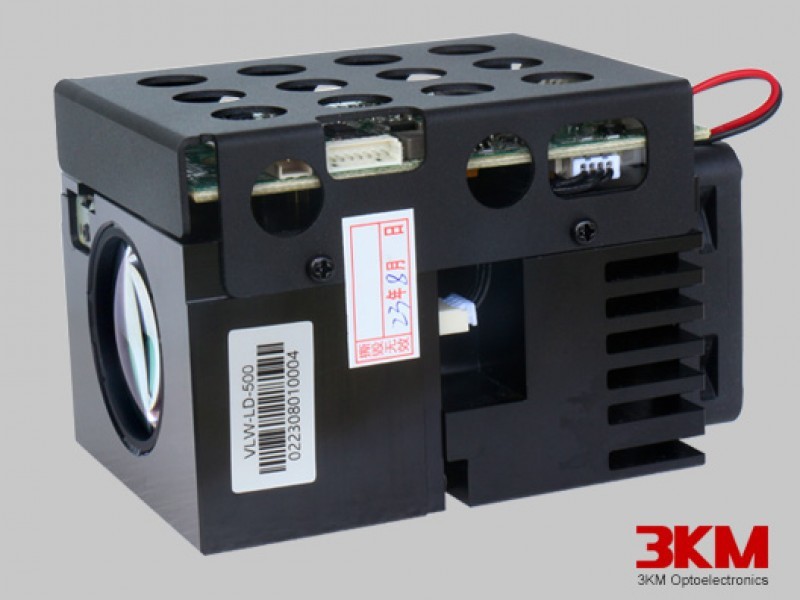
Our white laser lighting modules are designed to be durable and reliable. We use the latest technology and high - grade components to ensure that they can withstand the rigors of different environments.
Comparing Different Modules
Once you've identified your needs and the key factors to consider, it's time to start comparing different white laser lighting modules. There are a lot of options out there, so it can be a bit overwhelming.
Look at the product specifications carefully. Compare the CRI, brightness, beam angle, and other features of different modules. Read customer reviews to get an idea of how well the modules perform in real - world applications.
Don't be afraid to ask the supplier questions. A good supplier will be happy to provide you with more information and help you make the right choice.
Cost Considerations
Cost is always a factor when making a purchase. But remember, the cheapest option isn't always the best. You need to consider the long - term value. A more expensive module might have better performance, durability, and energy efficiency, which can save you money in the long run.
When comparing prices, make sure you're comparing apples to apples. Consider the features and quality of the modules, not just the price tag.
Installation and Maintenance
Think about how easy it is to install the white laser lighting module. Some modules are more complicated to install than others. If you're not a professional, you might want to choose a module that comes with clear installation instructions or even professional installation services.
Maintenance is also important. Find out what kind of maintenance the module requires. Some modules need regular cleaning or component replacement. Make sure you're willing and able to handle the maintenance requirements.
Making the Decision
After considering all these factors, it's time to make a decision. Choose the white laser lighting module that best meets your needs in terms of color quality, brightness, beam angle, durability, cost, and installation and maintenance.
If you're still not sure, don't hesitate to reach out to us. We're here to help you make the right choice. As a supplier of white laser lighting modules, we have the expertise and experience to guide you through the process.
Why Choose Our White Laser Lighting Modules
We take pride in our white laser lighting modules. They're designed with the latest technology to provide high - quality lighting solutions. Our RGB White Laser Lighting Module offers excellent color rendering and flexibility.
We also offer great customer service. Our team is always ready to answer your questions, provide technical support, and help you with any issues you might encounter.
Contact Us for Purchase and Negotiation
If you're interested in our white laser lighting modules and want to discuss a purchase, we'd love to hear from you. We can provide you with more detailed information, pricing, and customization options. Whether you're a small business owner or part of a large organization, we can work with you to meet your specific needs.
References
- Lighting Research Center, Rensselaer Polytechnic Institute. "Understanding Color Rendering Index (CRI)".
- Illuminating Engineering Society (IES). "IES Lighting Handbook".