
As a supplier of White Laser Lighting Modules, I often encounter various inquiries from customers. One question that has come up quite frequently is whether a white laser lighting module produces noise. In this blog post, I will delve into this topic and provide a comprehensive answer based on scientific knowledge and our experience in the industry.
Understanding White Laser Lighting Modules
Before we discuss the noise issue, let's first understand what a white laser lighting module is. A White Laser Lighting Module is a device that uses laser technology to generate white light. There are different types of white laser lighting modules, such as the RGB White Laser Lighting Module, which combines red, green, and blue lasers to produce white light.
These modules offer several advantages over traditional lighting sources. They have high energy efficiency, long lifespan, and can provide high - intensity illumination. They are also more compact and can be used in a wide range of applications, including automotive lighting, stage lighting, and industrial inspection.
Sources of Noise in Lighting Devices
In general, noise in lighting devices can come from several sources. One common source is the electrical components. When an electrical current flows through a circuit, it can generate electromagnetic interference (EMI), which may manifest as audible noise. For example, in traditional fluorescent lights, the ballast can produce a humming sound due to the electrical currents and magnetic fields involved in its operation.
Another source of noise can be mechanical. Moving parts in a lighting device, such as cooling fans or motors, can create noise. For instance, some high - power lighting fixtures use fans to dissipate heat, and the rotation of the fan blades can generate a whirring sound.
Noise in White Laser Lighting Modules
When it comes to white laser lighting modules, the situation is a bit different.
Electrical Noise
White laser lighting modules typically have a relatively simple electrical circuit compared to some other lighting devices. The lasers in these modules are driven by a power supply that is designed to provide a stable and clean electrical current. Modern laser drivers are engineered to minimize electromagnetic interference.
Most of the electrical components in a white laser lighting module are solid - state, which means there are no moving parts in the electrical circuit that could generate mechanical noise. As a result, the electrical noise produced by a well - designed white laser lighting module is usually extremely low and often inaudible to the human ear.
Mechanical Noise
In terms of mechanical noise, white laser lighting modules do not have many moving parts. Unlike some high - power lighting systems that rely on fans for cooling, many white laser lighting modules are designed with passive cooling methods. Passive cooling uses heat sinks and other heat - dissipating structures to transfer heat away from the lasers without the need for a fan.
However, in some high - power applications where the heat generated by the lasers is significant, a cooling fan may be used. In such cases, the fan can be a potential source of noise. But manufacturers are aware of this issue and often use high - quality, low - noise fans. These fans are designed to operate quietly while still providing sufficient cooling. Additionally, the fan speed can be controlled based on the temperature of the module, so it only runs at high speeds when necessary, further reducing the overall noise level.
Scientific Evidence and Testing
To support the claim that white laser lighting modules generally produce little to no noise, we can look at scientific research and industry testing. Many independent laboratories have conducted tests on laser lighting products to evaluate their performance, including noise levels.
These tests typically measure the sound pressure level (SPL) in decibels (dB) near the lighting module. The results show that in most cases, the SPL of white laser lighting modules is well below the threshold of human perception. Even in high - power applications with cooling fans, the noise levels are comparable to or lower than those of other high - performance lighting systems.
Applications and Noise Considerations
The low noise characteristic of white laser lighting modules makes them suitable for a variety of applications where quiet operation is essential.
Automotive Lighting
In automotive lighting, noise is a crucial factor. A noisy lighting system can be a distraction to the driver and passengers. White laser lighting modules are increasingly being used in automotive headlights due to their high brightness and energy efficiency. Their low noise level ensures a quiet and comfortable driving experience.
Stage Lighting
On a stage, any unwanted noise can disrupt the performance. White laser lighting modules can provide bright and colorful lighting effects without adding any audible noise, allowing the focus to remain on the performance itself.
Industrial Inspection
In industrial inspection applications, where precision and a quiet environment are often required, white laser lighting modules are an ideal choice. They can illuminate the objects being inspected without introducing noise that could interfere with the inspection process or the operation of other equipment in the vicinity.
Conclusion
In conclusion, a well - designed white laser lighting module generally produces very little to no noise. The electrical components are engineered to minimize electromagnetic interference, and most modules do not have moving parts that could generate mechanical noise. Even in cases where a cooling fan is used, manufacturers take steps to ensure that the noise level is kept to a minimum.
If you are considering using a white laser lighting module for your application, you can be confident that it will not introduce unwanted noise. Whether it's for automotive, stage, or industrial use, the low - noise characteristic of these modules is just one of the many advantages they offer.

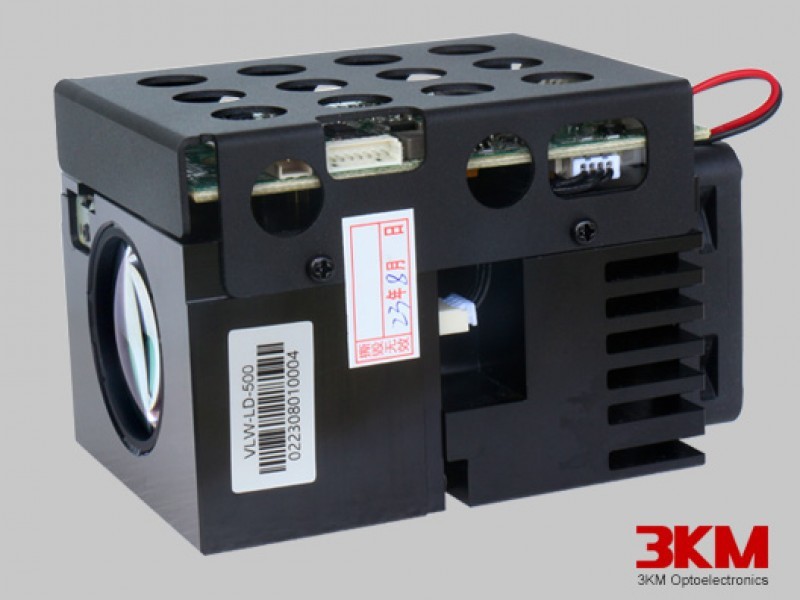
If you are interested in learning more about our White Laser Lighting Module or RGB White Laser Lighting Module products, or if you have any specific requirements for your lighting project, we encourage you to contact us for a detailed discussion. We are committed to providing high - quality laser lighting solutions tailored to your needs.
References
- "Laser Lighting Technology: Principles and Applications" - A comprehensive textbook on laser lighting technology that includes information on noise reduction in laser lighting systems.
- Industry reports on the performance testing of laser lighting products, which provide data on noise levels and other performance metrics.