
Can white laser illumination be used in museum lighting? That's a question I've been asked quite a bit lately, especially since I'm a supplier of white laser illumination. So, I thought I'd take some time to dig into this topic and share my thoughts.
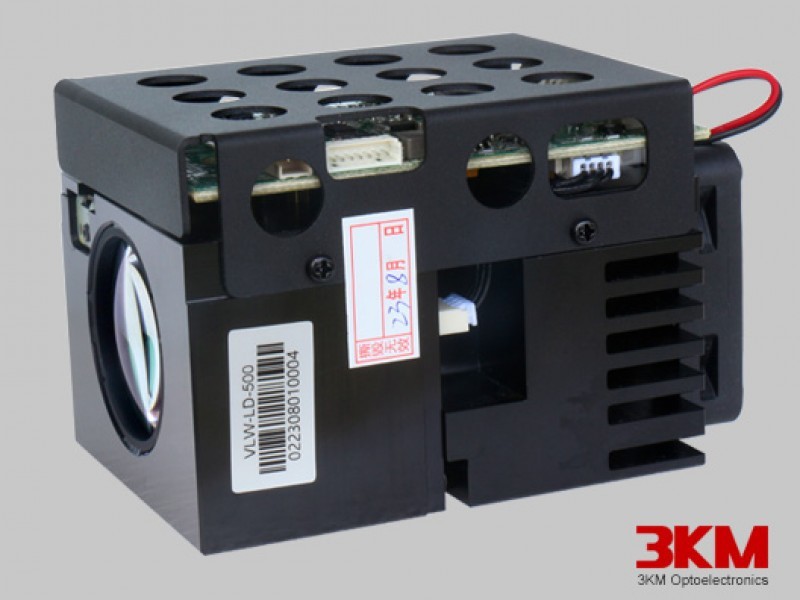
First off, let's talk about what white laser illumination is. White laser lighting is a relatively new technology in the lighting industry. There are two main types of white laser lighting modules that we offer: the RGB White Laser Lighting Module and the White Laser Lighting Module. The RGB one combines red, green, and blue laser light to create white light, while the other type uses a different mechanism to produce that white glow.
Now, museums have some pretty specific lighting requirements. They need good illumination to show off the art and artifacts, but they also have to be careful not to damage the exhibits. Light can cause all sorts of problems, like fading colors, breaking down materials, and even promoting the growth of mold. So, any lighting system used in a museum has to be safe and effective.
One of the big advantages of white laser illumination for museum lighting is its high color rendering index (CRI). A high CRI means that the light can accurately reproduce colors, making the art and artifacts look their best. When you're looking at a painting in a museum, you want to see the colors exactly as the artist intended. With white laser lighting, you can get a CRI of over 90, which is really impressive. That's way better than some traditional lighting sources like fluorescent lights, which can make colors look dull or off.
Another plus is the directionality of laser light. Laser beams are very focused, so you can direct the light exactly where you want it. In a museum, this is super useful. You can highlight specific parts of an exhibit without washing out the rest of the display. For example, if you have a small, delicate sculpture, you can use a white laser light to shine a spotlight on it, creating a really cool visual effect.
Energy efficiency is also a big deal these days. White laser illumination is much more energy - efficient than a lot of traditional lighting options. Museums usually have large spaces to light up, and using energy - efficient lighting can save a ton of money on electricity bills in the long run. And let's face it, museums often operate on tight budgets, so any cost - saving measure is welcome.
But it's not all sunshine and rainbows. There are also some concerns when it comes to using white laser illumination in museums. One of the main worries is the potential for damage to the exhibits. Laser light is very intense, and if it's not properly controlled, it could potentially cause harm to sensitive materials. For example, some pigments in paintings or the organic materials in ancient artifacts could be damaged by the high - energy laser light.
However, we've done a lot of research and development to make sure our white laser lighting is safe. We've tested it on different types of materials to see how they react to the light. As long as the light is used at the right intensity and with proper filters, the risk of damage is very low.
Another issue is the initial cost. White laser lighting systems can be more expensive to install than traditional lighting. But when you consider the long - term benefits like energy savings and better color rendering, it might be worth the investment. Plus, as the technology becomes more widespread, the cost is likely to come down.

There's also the matter of public perception. Some people might be a bit wary of laser light in a museum setting. After all, lasers are often associated with high - tech, industrial applications or even science fiction. But once people see how well the white laser lighting works and how it enhances the viewing experience, I think they'll come around.
In my experience, the key is to work closely with museum curators and conservationists. They know the exhibits inside out and can provide valuable insights on how to use the lighting safely and effectively. We've had some great projects where we've collaborated with museum staff to design lighting solutions that meet their specific needs.
So, can white laser illumination be used in museum lighting? The answer is a resounding yes. It has a lot of great features that make it a suitable option for museums. But like any new technology, it has to be used carefully.
If you're a museum curator, lighting designer, or someone involved in the museum industry and you're interested in learning more about our white laser illumination products, I'd love to talk to you. We can have a chat about your specific requirements and see if our lighting solutions are a good fit for your museum. Whether you're looking to upgrade an existing lighting system or design a new one for a brand - new museum, we're here to help.
In conclusion, white laser illumination has the potential to revolutionize museum lighting. It offers high - quality illumination, energy efficiency, and great color rendering. With proper precautions and collaboration, it can be a fantastic addition to any museum. So, if you're thinking about lighting up your museum in a new and exciting way, give white laser illumination a try.
References
- "Lighting for Museum Exhibitions" by John H. Falk and Lynn D. Dierking
- "Color Science: Concepts and Methods, Quantitative Data and Formulae" by Gunter Wyszecki and W. S. Stiles