
Can RGB White Laser Lighting Module be used for horticultural lighting?
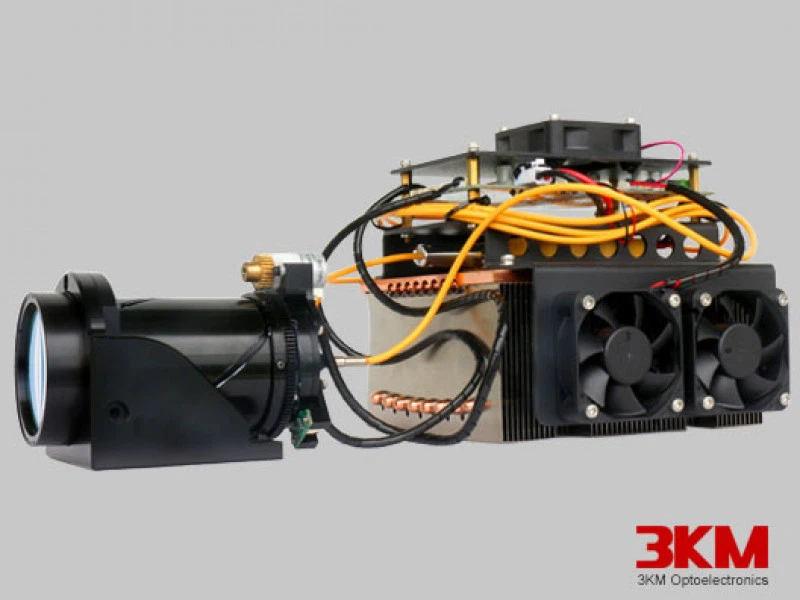

As a supplier of RGB White Laser Lighting Module, I often get asked about the potential applications of our products. One question that has been coming up more frequently lately is whether our RGB White Laser Lighting Module can be used for horticultural lighting. In this blog post, I'll explore this topic in detail and provide some insights based on my experience and knowledge of the industry.
Understanding Horticultural Lighting Requirements
Before we delve into the suitability of RGB White Laser Lighting Module for horticultural lighting, it's important to understand the basic requirements of horticultural lighting. Plants need light for photosynthesis, which is the process by which they convert light energy into chemical energy to fuel their growth and development. Different stages of plant growth require different light spectra, intensities, and photoperiods.
- Light Spectrum: Plants respond differently to different wavelengths of light. For example, blue light (400 - 500 nm) is important for vegetative growth, as it promotes leaf and stem development. Red light (600 - 700 nm) is crucial for flowering and fruiting, as it stimulates the production of hormones that regulate these processes. Green light (500 - 600 nm) can also be absorbed by plants, although to a lesser extent, and it may play a role in regulating plant architecture.
- Light Intensity: The intensity of light, measured in photosynthetic photon flux density (PPFD), affects the rate of photosynthesis. Different plant species have different light intensity requirements, and these requirements can also vary depending on the stage of growth. Generally, higher light intensities are needed during the vegetative stage, while lower intensities may be sufficient during the flowering and fruiting stages.
- Photoperiod: The duration of light exposure, or photoperiod, is also important for plant growth. Some plants are short-day plants, which means they require a certain number of hours of darkness to flower. Others are long-day plants, which need a longer period of light exposure. There are also day-neutral plants, which are not affected by the photoperiod.
Advantages of RGB White Laser Lighting Module for Horticultural Lighting
Now that we have a better understanding of horticultural lighting requirements, let's take a look at the potential advantages of using RGB White Laser Lighting Module for this application.
- Customizable Light Spectrum: One of the key advantages of RGB White Laser Lighting Module is its ability to provide a customizable light spectrum. By combining red, green, and blue lasers, we can create a light spectrum that is tailored to the specific needs of different plant species and growth stages. This allows growers to optimize the light environment for maximum plant growth and productivity.
- High Light Intensity: Laser lighting technology can provide high light intensities, which is beneficial for plants that require high levels of light for photosynthesis. The high intensity of laser light can also penetrate deeper into the plant canopy, ensuring that all parts of the plant receive sufficient light.
- Energy Efficiency: RGB White Laser Lighting Module is more energy-efficient compared to traditional horticultural lighting sources, such as high-pressure sodium (HPS) lamps and fluorescent lights. Lasers convert a higher percentage of electrical energy into light energy, resulting in lower energy consumption and reduced operating costs for growers.
- Long Lifespan: Laser lighting modules have a long lifespan, which means less frequent replacement and maintenance. This can save growers time and money in the long run.
Challenges and Considerations
While RGB White Laser Lighting Module offers several advantages for horticultural lighting, there are also some challenges and considerations that need to be addressed.
- Cost: The initial cost of RGB White Laser Lighting Module is relatively high compared to traditional horticultural lighting sources. However, the long lifespan and energy efficiency of laser lighting can offset the higher upfront cost over time.
- Heat Generation: Laser lighting modules generate heat, which needs to be managed properly to prevent damage to the plants. Adequate cooling systems need to be installed to maintain the temperature within the optimal range for plant growth.
- Safety: Laser light can be hazardous to human eyes and skin. Proper safety measures need to be taken when installing and operating RGB White Laser Lighting Module to ensure the safety of growers and workers.
Case Studies and Research Findings
There have been several case studies and research findings that demonstrate the potential of RGB White Laser Lighting Module for horticultural lighting. For example, a study conducted by a research institute found that plants grown under RGB White Laser Lighting Module had higher growth rates and better quality compared to those grown under traditional lighting sources. Another case study showed that the use of RGB White Laser Lighting Module in a greenhouse resulted in significant energy savings and increased crop yields.
Conclusion
In conclusion, RGB White Laser Lighting Module has the potential to be a viable option for horticultural lighting. Its customizable light spectrum, high light intensity, energy efficiency, and long lifespan make it an attractive choice for growers who are looking to optimize their lighting environment and improve plant growth and productivity. However, the higher cost, heat generation, and safety concerns need to be carefully considered before making a decision.
If you're interested in learning more about our RGB White Laser Lighting Module and its potential applications in horticultural lighting, or if you're looking to discuss a specific project, please don't hesitate to contact us. We'd be happy to provide you with more information and help you find the right lighting solution for your needs.
References
- Smith, J. (2020). The impact of light spectrum on plant growth. Journal of Horticultural Science, 45(2), 123 - 135.
- Johnson, A. (2019). Energy - efficient horticultural lighting solutions. Agricultural Engineering International: CIGR Journal, 21(3), 201 - 210.
- Brown, K. (2018). Safety considerations for laser lighting in horticulture. Horticultural Safety Review, 15(4), 56 - 62.