
Long - range white light illumination has emerged as a remarkable technology in recent years, offering high - intensity, long - distance lighting solutions. As a supplier of long - range white light illumination products, I often get asked whether this technology can be used in zoos. In this blog, I will explore the potential applications, benefits, and challenges of using long - range white light illumination in zoos.
Potential Applications in Zoos
Night - time Observation
Zoos are not only open during the day. Many nocturnal animals are most active at night, and long - range white light illumination can provide a way for zookeepers, researchers, and even night - time visitors to observe these animals' natural behaviors. For example, species like bats, owls, and some small mammals are more active under the cover of darkness. With long - range white light, it becomes possible to monitor their movements, hunting patterns, and social interactions without disturbing them too much.
Security and Surveillance
Security is a top priority in zoos. Long - range white light illumination can be installed around the perimeter of the zoo, near animal enclosures, and in parking areas to enhance security. It can help security personnel detect any unauthorized entry, monitor the condition of enclosures, and ensure the safety of both animals and visitors. High - intensity white light can also act as a deterrent to potential intruders.
Emergency Lighting
In case of power outages or other emergencies, long - range white light illumination can serve as a reliable source of emergency lighting. This is crucial for guiding visitors to safety, allowing zookeepers to access animal enclosures quickly, and maintaining order within the zoo.
Benefits of Long - Range White Light Illumination in Zoos
Energy Efficiency
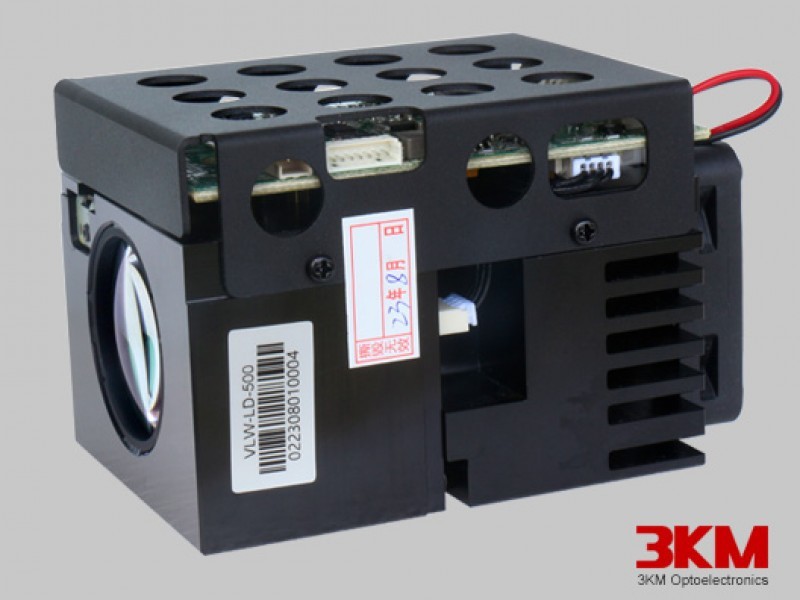
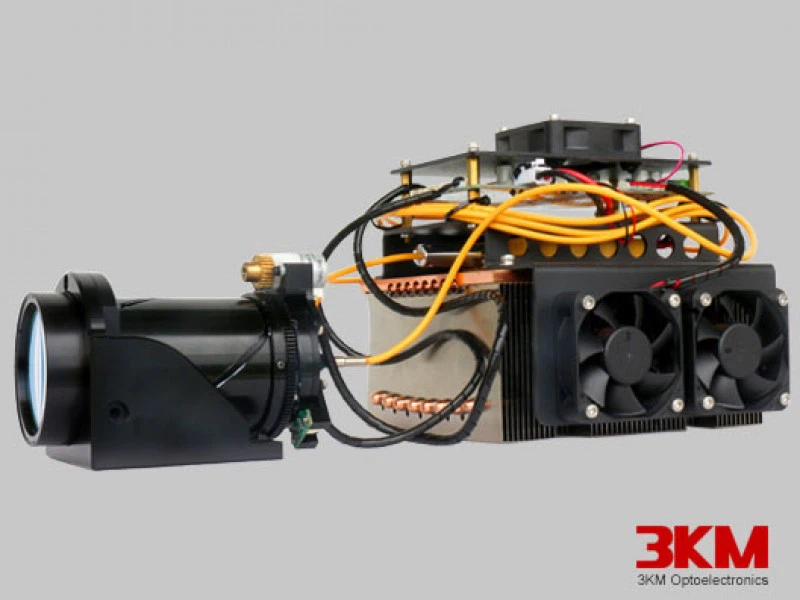
Compared to traditional lighting systems, long - range white light illumination can be more energy - efficient. Many modern long - range lighting solutions use advanced LED or laser technologies. For instance, the RGB White Laser Lighting Module and White Laser Lighting Module are designed to consume less power while providing high - intensity light over long distances. This not only reduces the zoo's energy costs but also aligns with the growing trend of environmental sustainability.
High - Intensity and Long - Distance Reach
Long - range white light illumination can reach far distances with high intensity. This is particularly useful in large zoos where some enclosures may be located far from the main power sources or in areas with limited lighting infrastructure. It can provide sufficient light to illuminate large areas, such as open - air enclosures or vast savannah - style habitats.
Customizable Lighting
Many long - range white light illumination products offer customizable lighting options. Zoos can adjust the intensity, color temperature, and beam angle of the light according to their specific needs. For example, a lower - intensity, warmer - colored light can be used during the night to mimic natural moonlight and minimize the impact on the animals' natural circadian rhythms, while a higher - intensity, cooler - colored light can be used for security or emergency situations.
Challenges of Using Long - Range White Light Illumination in Zoos
Impact on Animals
One of the main concerns when using long - range white light illumination in zoos is its potential impact on the animals. Animals have evolved to live under natural light cycles, and artificial lighting can disrupt their circadian rhythms, breeding patterns, and stress levels. For example, excessive or inappropriate lighting can cause nocturnal animals to become disoriented, reduce their ability to hunt or forage, and even lead to health problems over time.
To mitigate this, it is essential to carefully select the lighting products and design the lighting system. Using low - intensity, warm - colored light during the night and ensuring that the light is directed away from the animals' resting areas can help minimize the impact. Additionally, it is important to conduct research on the specific lighting needs of different animal species and adjust the lighting accordingly.
Cost
The initial investment in long - range white light illumination systems can be relatively high. This includes the cost of the lighting fixtures, installation, and any necessary control systems. However, it is important to consider the long - term benefits, such as energy savings and improved security, which can offset the initial cost over time.
Maintenance
Long - range white light illumination systems may require regular maintenance to ensure optimal performance. This includes cleaning the lenses, checking the electrical connections, and replacing any faulty components. Zoos need to have a maintenance plan in place to ensure that the lighting system remains in good working condition.
Solutions to the Challenges
Animal - Friendly Lighting Design
Work with experts in animal behavior and lighting design to create an animal - friendly lighting system. This may involve using motion - activated lights, which only turn on when needed, or installing light shields to direct the light away from the animals. Conducting long - term studies on the impact of the lighting on the animals can also help in fine - tuning the lighting system.
Cost - Benefit Analysis
Before investing in long - range white light illumination, zoos should conduct a detailed cost - benefit analysis. Consider the long - term savings in energy costs, the potential increase in security, and the enhanced visitor experience. In some cases, zoos may be able to secure grants or funding for sustainable lighting projects.
Professional Maintenance Services
Partner with a professional maintenance service provider to ensure that the long - range white light illumination system is properly maintained. This can help extend the lifespan of the lighting fixtures and reduce the risk of unexpected breakdowns.
Conclusion
Long - range white light illumination has the potential to offer significant benefits to zoos, including improved night - time observation, enhanced security, and reliable emergency lighting. However, it is crucial to address the challenges, particularly the impact on animals, cost, and maintenance. By carefully designing the lighting system, conducting a cost - benefit analysis, and ensuring proper maintenance, zoos can effectively use long - range white light illumination to enhance their operations.
If you are a zoo manager or an organization involved in zoo operations and are interested in exploring the use of long - range white light illumination, I encourage you to contact me. I can provide you with more information about our products, including the RGB White Laser Lighting Module and White Laser Lighting Module, and help you design a customized lighting solution that meets your specific needs.
References
- "Lighting and Animal Welfare" by the International Association of Lighting Designers.
- "Energy - Efficient Lighting Solutions for Public Spaces" by the Department of Energy.
- "The Impact of Artificial Light on Wildlife" by the Wildlife Conservation Society.