
As a supplier of long range white light illumination products, I often encounter concerns from customers regarding the safety of these lighting solutions. In this blog post, I will delve into the potential safety issues associated with long range white light illumination and provide insights based on scientific knowledge and industry standards.
Understanding Long Range White Light Illumination
Long range white light illumination refers to lighting systems that are designed to project a powerful beam of white light over a significant distance. These systems are commonly used in various applications, including surveillance, search and rescue operations, marine navigation, and outdoor security. The technology behind long range white light illumination has evolved significantly in recent years, with the introduction of advanced lighting sources such as high - intensity LEDs and white lasers.
Potential Safety Concerns
1. Eye Safety
One of the primary safety concerns associated with long range white light illumination is the potential damage to the eyes. High - intensity white light, especially when emitted in a concentrated beam, can cause photochemical damage to the retina. The retina is a light - sensitive tissue at the back of the eye that converts light into electrical signals for the brain to process. Exposure to intense light can lead to the generation of reactive oxygen species in the retina, which can damage the photoreceptor cells and other retinal structures.
The risk of eye damage depends on several factors, including the intensity of the light, the duration of exposure, and the wavelength of the light. White light typically contains a broad spectrum of wavelengths, including visible light (400 - 700 nm) and potentially some ultraviolet (UV) and infrared (IR) components. UV light is known to cause damage to the cornea and lens of the eye, while IR light can cause thermal damage to the retina.
However, modern long range white light illumination products are designed with safety features to minimize the risk of eye damage. For example, many high - intensity LED - based systems are equipped with diffusers or beam spreaders to reduce the intensity of the light at the source. Additionally, the light output is often regulated to comply with international safety standards such as the IEC 62471 standard, which classifies the photobiological safety of lamps and lamp systems.
2. Fire Hazard
Another potential safety issue is the fire hazard associated with long range white light illumination systems. High - power lighting sources generate a significant amount of heat, which can pose a risk if the system is not properly designed or installed. If the heat is not dissipated effectively, it can cause the surrounding materials to overheat and potentially catch fire.
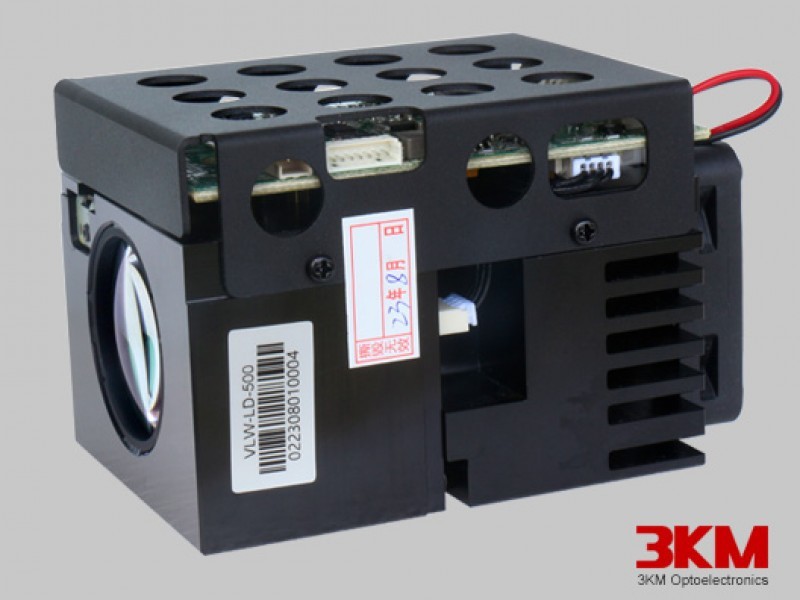
To mitigate this risk, long range white light illumination products are typically designed with heat sinks and cooling mechanisms. Heat sinks are made of materials with high thermal conductivity, such as aluminum, and are used to transfer the heat away from the lighting source. Some systems also incorporate fans or other active cooling devices to enhance the heat dissipation process.

3. Interference with Other Equipment
Long range white light illumination systems, especially those using lasers, can potentially cause interference with other electronic equipment. Laser light can generate electromagnetic radiation, which can interfere with the operation of nearby electronic devices such as radios, communication systems, and sensors.
To address this issue, manufacturers of long range white light illumination products take measures to minimize electromagnetic interference (EMI). This may include using shielding materials in the design of the lighting system and ensuring that the system is properly grounded. Additionally, the products are often tested to comply with relevant EMI standards to ensure that they do not cause significant interference with other equipment.
Safety Features in Our Long Range White Light Illumination Products
At our company, we are committed to providing safe and reliable long range white light illumination solutions. Our products are designed with a range of safety features to address the potential safety concerns mentioned above.
1. Eye - Safe Design
Our RGB White Laser Lighting Module and White Laser Lighting Module are engineered to meet strict eye - safety standards. We use advanced optical design techniques to ensure that the light is evenly distributed and the intensity is within safe limits. The modules are also equipped with safety interlocks that automatically shut off the laser if the system is opened or tampered with.
2. Thermal Management
We incorporate efficient thermal management systems in our products to prevent overheating. Our heat sinks are designed to provide maximum heat dissipation, and we use high - quality materials to ensure long - term reliability. Additionally, our products are tested under various operating conditions to ensure that they can maintain a safe operating temperature.
3. EMI Suppression
To minimize electromagnetic interference, our long range white light illumination products are designed with EMI - suppression features. We use shielding materials and proper grounding techniques to reduce the emission of electromagnetic radiation. Our products are also tested to comply with international EMI standards, ensuring that they can be used safely in a variety of environments.
Conclusion
While there are potential safety issues associated with long range white light illumination, modern products are designed with a range of safety features to minimize these risks. At our company, we take safety very seriously and ensure that our products comply with all relevant safety standards. Our RGB White Laser Lighting Module and White Laser Lighting Module are examples of our commitment to providing safe and high - quality long range white light illumination solutions.
If you are interested in learning more about our long range white light illumination products or have any questions regarding safety, please feel free to contact us for a detailed discussion. We are always happy to assist you in finding the right lighting solution for your specific needs. Our team of experts can provide you with technical support and guidance to ensure that you make an informed decision. Whether you are in the surveillance, search and rescue, or marine industry, we have the products and expertise to meet your requirements. Don't hesitate to reach out and start the conversation about your long range white light illumination needs.
References
- IEC 62471:2006, Photobiological safety of lamps and lamp systems.
- American National Standards Institute (ANSI), ANSI Z136.1 - 2014, Safe Use of Lasers.
- International Electrotechnical Commission (IEC), IEC 61000 - 4 - 3:2010, Electromagnetic compatibility (EMC) - Part 4 - 3: Testing and measurement techniques - Radiated, radio - frequency, electromagnetic field immunity test.