
Hey there! As a supplier of White Laser Lighting Modules, I often get asked if there are any regulations or standards for these nifty little devices. Well, let's dive right in and explore this topic together.
First off, it's important to understand that white laser lighting modules are a relatively new player in the lighting industry. Unlike traditional lighting sources like incandescent bulbs or LEDs, white lasers offer unique advantages such as high brightness, long - distance projection, and excellent color rendering. But with these new technologies come the need for proper regulations and standards to ensure safety and quality.
Safety Regulations
One of the most crucial aspects when it comes to white laser lighting modules is safety. Lasers, by nature, can be dangerous if not handled correctly. The International Electrotechnical Commission (IEC) has established a set of standards for laser products, which includes white laser lighting modules.
The IEC 60825 series of standards classifies lasers into different categories based on their potential to cause harm. For example, Class 1 lasers are considered safe under all normal operating conditions, while higher - class lasers like Class 4 can pose a significant risk of eye and skin damage. As a supplier, we make sure that our White Laser Lighting Module complies with the appropriate laser safety classification. This means implementing safety features such as proper enclosures, warning labels, and interlocks to prevent accidental exposure to the laser beam.
In addition to the IEC standards, many countries have their own national regulations regarding laser safety. For instance, in the United States, the Food and Drug Administration (FDA) regulates laser products under the Code of Federal Regulations (CFR) Title 21. These regulations ensure that lasers sold in the US meet specific safety requirements, including performance standards and labeling requirements.
Performance Standards
Apart from safety, there are also performance standards for white laser lighting modules. These standards define the quality and characteristics of the light output. One important aspect is color temperature. Color temperature is measured in Kelvin (K) and indicates the color appearance of the light. For white light, a color temperature between 2700K - 6500K is commonly used, with lower temperatures producing a warm, yellow - ish light and higher temperatures producing a cool, bluish light.
Another performance parameter is color rendering index (CRI). CRI measures how accurately a light source can reproduce the colors of objects compared to a reference light source. A CRI of 100 indicates perfect color rendering. Our RGB White Laser Lighting Module is designed to have a high CRI, which means it can provide more natural - looking colors, making it ideal for applications where color accuracy is important, such as in museums or art galleries.
Luminous flux is also a key performance metric. It measures the total amount of light emitted by a light source and is measured in lumens. Higher luminous flux means a brighter light. We strive to optimize the luminous flux of our white laser lighting modules while maintaining energy efficiency.
Industry - Specific Standards
Different industries may have their own specific standards for white laser lighting modules. In the automotive industry, for example, white laser lighting is being used in headlights. The Society of Automotive Engineers (SAE) has developed standards for automotive lighting systems, including requirements for light distribution, intensity, and color. Our white laser lighting modules for automotive applications are designed to meet these SAE standards to ensure optimal performance and safety on the road.

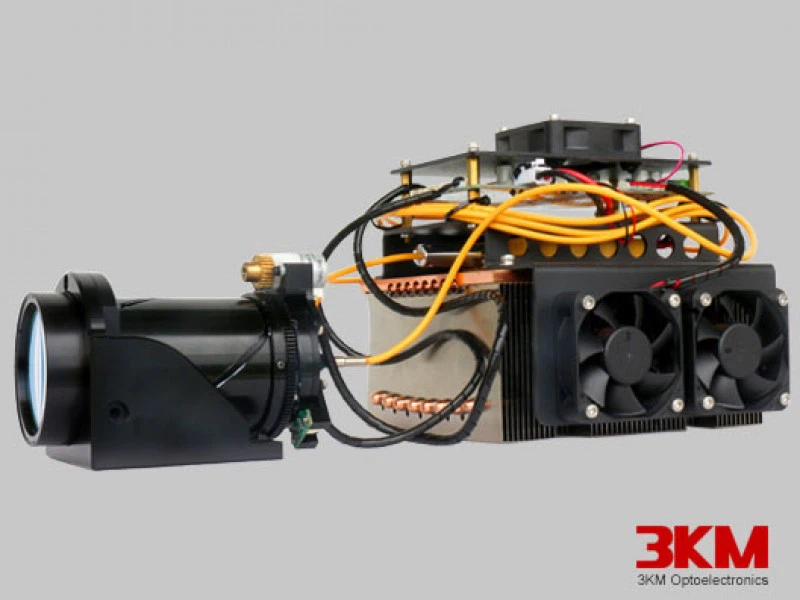
In the entertainment industry, where white laser lighting is used for stage lighting and special effects, there are standards related to the control and synchronization of lighting systems. These standards ensure that the lighting can be precisely controlled to create the desired visual effects.
The Importance of Complying with Regulations and Standards
Complying with regulations and standards is not just a legal requirement; it's also essential for building trust with our customers. When customers purchase our white laser lighting modules, they expect them to be safe, reliable, and of high quality. By adhering to the relevant regulations and standards, we can guarantee that our products meet these expectations.
Moreover, compliance with standards can also open up new markets for our products. Many large - scale projects, such as government - funded infrastructure projects or international events, require suppliers to provide products that meet specific standards. By having our white laser lighting modules certified to these standards, we can participate in these projects and expand our business.
Our Commitment as a Supplier
As a supplier of white laser lighting modules, we are committed to staying up - to - date with the latest regulations and standards. Our R & D team regularly monitors changes in the industry and makes sure that our products are always in compliance. We also conduct rigorous testing on our products to ensure that they meet or exceed the required standards.
We understand that customers may have specific requirements for their projects, and we are more than happy to work with them to customize our white laser lighting modules. Whether it's adjusting the color temperature, improving the CRI, or meeting industry - specific standards, we have the expertise and resources to provide tailored solutions.
Let's Talk Business
If you're in the market for high - quality white laser lighting modules, we'd love to hear from you. Our products are designed to meet the strictest regulations and standards, ensuring safety and performance. Whether you're working on an automotive project, an entertainment event, or any other application that requires white laser lighting, we can provide the right solution for you.
Don't hesitate to reach out to us for more information or to start a procurement discussion. We're here to help you find the best white laser lighting module for your needs.
References
- International Electrotechnical Commission (IEC). IEC 60825 series of standards for laser products.
- US Food and Drug Administration (FDA). Code of Federal Regulations (CFR) Title 21 for laser product regulation.
- Society of Automotive Engineers (SAE). Standards for automotive lighting systems.